
 by
by Your ears, nose, and throat work together every day without calling for attention. Often you only notice a problem when it begins to affect your life. Ignoring symptoms can lead to long-term issues that are harder to treat. Knowing when to see an ENT specialist is vital for your health and comfort. This guide helps you recognize important signs, explains common conditions, and tells you when professional care matters.
Why You Should Pay Attention to ENT Symptoms
Minor symptoms can start small but become serious. For example, ongoing nasal blockage might disrupt sleep. Deafness that starts slowly can go unnoticed until it affects communication.
An ENT specialist can diagnose early and prevent complications.
One trusted provider in the region is ENT Specialist in Mumbai, Dr Sujata Gawai, whose expertise spans sinus issues to complex ear problems.
Common Signs You Should Not Ignore
1. Long‑Lasting Ear Pain or Hearing Trouble
Ear pain that stays for more than a few days is not ordinary. Hearing that feels muffled, or sudden ringing, should prompt evaluation. These symptoms are common in middle ear infections or inner ear issues. Seeing a specialist early can stop further deterioration.
2. Persistent Nasal and Sinus Problems
A blocked or runny nose for weeks, frequent sneezing, or facial pressure deserve attention. Recurring sinus infections can affect your breathing and sleep patterns. An ENT professional will assess sinus health and guide treatment. Sinusitis that does not improve with home care likely needs medical review.
3. Trouble Swallowing or Ongoing Throat Pain
If throat pain lasts longer than expected, it may signal an infection or inflammation. Difficulty swallowing can indicate problems with vocal cords or airway. Persistent hoarseness should not be brushed off as just a cold.
4. Dizziness or Balance Problems
Sudden bouts of dizziness can originate from inner ear balance issues. Persistent vertigo affects your coordination and day‑to‑day function. An ENT specialist uses specific assessments to find the root cause.
5. Noticeable Swelling or Lumps
Any unusual swelling in your neck or throat regions should prompt a medical check. Early evaluation helps rule out infection, thyroid issues, or other conditions needing care
What ENT Specialists Treat
ENT professionals manage a broad range of conditions:
- Sinus disorders and chronic congestion.
- Ear infections and hearing loss issues.
- Vocal cord problems and persistent sore throat.
- Balance disorders and vertigo.
- Structural problems like a deviated septum.
When symptoms don’t improve, advancing to professional care means quicker solutions and fewer long‑term effects.
Who is Dr Sujata Gawai?
If you are searching for a reliable ENT specialist nearby, Dr Sujata Gawai is a name many patients trust. She is experienced in diagnosing and treating a wide range of ear, nose, and throat conditions.
Dr Sujata Gawai has strong academic credentials in ENT and advanced training in sinus and skull base surgeries, giving her the skills to handle both common and complex cases.
Her practice focuses on patient‑centred care and thorough evaluation. This includes helping children and adults with hearing issues, sinus disorders, and surgical needs.
When Should You Schedule a Visit?
You should consider seeing an ENT specialist when:
- Your symptoms persist beyond two weeks.
- There is sudden hearing change or loss.
- Nasal congestion affects your sleep.
- You notice ongoing balance problems.
- Lumps or swelling appear in your neck area.
Delaying care often lets minor issues worsen, making them tougher to treat.
What Happens During an ENT Evaluation
An ENT specialist will typically:
- Ask about your symptoms and health history.
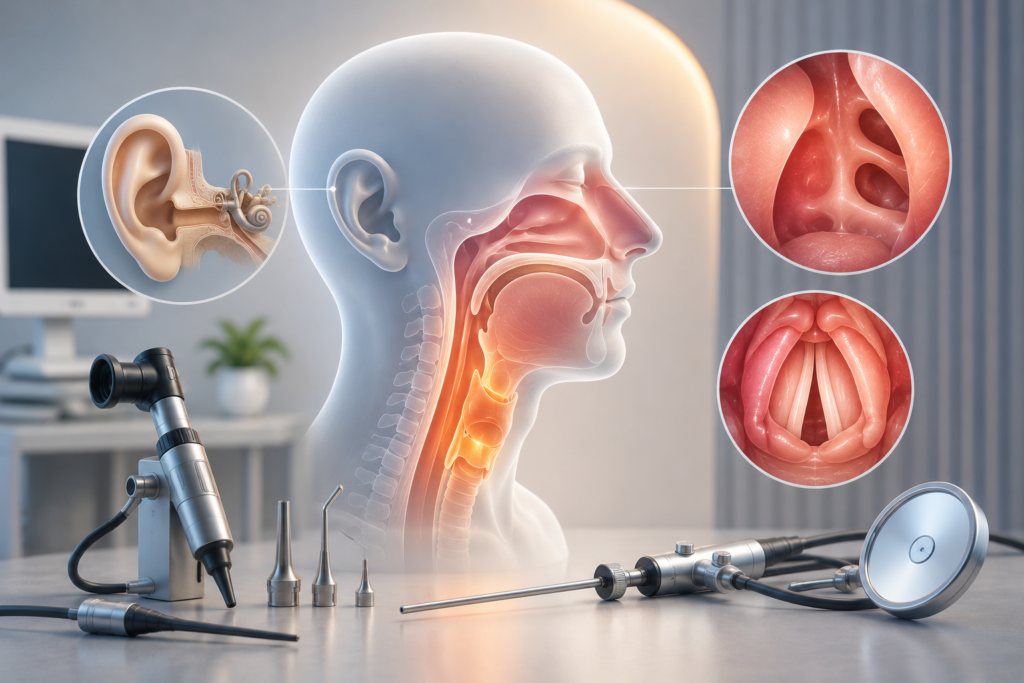
- Perform a physical examination of your ears, nose, and throat.
- Use specialized tools to look inside your nasal passages and throat.
- Order hearing tests or imaging if needed.
This thorough assessment helps identify the true cause of your discomfort.
Simple Steps You Can Take at Home
While professional care matters for persistent issues, these steps can support your ear, nose, and throat health:
- Use a saline rinse for chronic nasal congestion.
- Avoid loud noise or reduce headphone volume to protect hearing.
- Stay hydrated to keep mucous membranes healthy.
- Seek early care when symptoms show no sign of improvement.
FAQs About Visiting an ENT Specialist
1. When is it urgent to see an ENT specialist?
If symptoms like sudden hearing loss, severe dizziness, or difficulty breathing occur, seek consultation sooner rather than later.
2. How do I know if my sinus issue needs medical help?
If congestion, pressure, or pain lasts more than 10–14 days, professional evaluation is recommended.
3. Can children see an ENT specialist?
Yes. Children with frequent ear infections, hearing issues, or tonsil problems often benefit from ENT care.
4. Are ENT evaluations painful?
Most evaluations are simple and not painful. Specialized tests aim to understand your symptoms without discomfort.
5. What treatments do ENT specialists offer?
Treatment can range from medication and lifestyle guidance to procedures like sinus surgery or hearing support.
Good ear, nose, and throat health impacts your daily life in ways you might not notice at first. Watch for symptoms that persist, interfere with daily habits, or cause discomfort. Seeing a specialist gives you clarity and precise solutions. With trusted experts like ENT Specialist in Mumbai, Dr Sujata Gawai, you have access to skilled care when it matters most.