 by
by
If you struggle with frequent sinus infections, blocked nasal passages, or sinus pressure that won’t go away, you may have heard about endoscopic sinus surgery. Many people ask whether this procedure is safe and what it involves. This surgery can offer lasting relief when medicines and sprays no longer help. In this post, we explain its benefits, risks, what to expect during recovery, and how to find the right care. We also include real insights from an experienced ENT Specialist in Mumbai you might consult, such as Dr Sujata Gawai.

What Is Endoscopic Sinus Surgery?
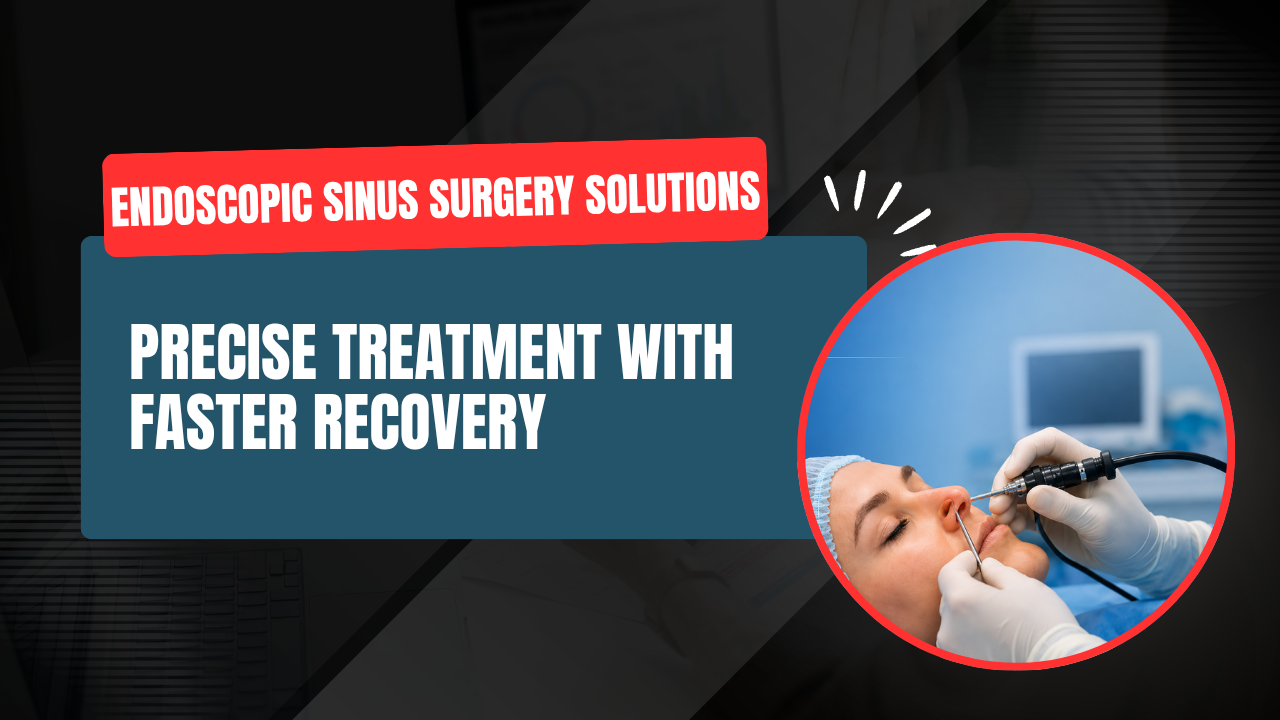
Endoscopic sinus surgery (ESS) is a minimally invasive procedure that clears blocked sinuses using a thin camera and instruments inserted through the nostrils.
There are no external cuts, and the goal is to improve drainage, reduce infections, and restore airflow.
Surgeons recommend this option when chronic sinusitis, nasal polyps, or repeated infections continue despite medication. Most patients go home the same day.
Why People Choose This Surgery
Many patients opt for this surgery for lasting relief after months or years of sinus problems. Common signs it may help include:
- Persistent nasal congestion
- Facial pressure or pain
- Difficulty breathing through the nose
- Recurring sinus infections
- Reduced sense of smell
A discussion with an ENT Specialist like Dr Sujata Gawai can help confirm whether this treatment fits your condition.
Key Benefits of Endoscopic Sinus Surgery
1. Relief From Chronic Symptoms
The main benefit is long‑term improvement of symptoms such as pressure, congestion, and infection frequency.
Most patients report better breathing within weeks of surgery.
2. Faster Healing and Less Pain
Because the procedure is done through the nostrils, there are no facial cuts and recovery is generally quicker than traditional surgery.
3. Reduced Need for Medicine
By clearing blockages and improving sinus function, many patients need fewer courses of antibiotics or steroid sprays after recovery.
4. Better Quality of Life
Improved breathing and fewer infections can help you sleep better, reduce headaches, and make daily life easier.
If you are in India and considering this surgery, consulting an ENT Specialist in Mumbai early can help you understand your options.
Risks and What to Watch For
All surgeries come with potential risks. For endoscopic sinus surgery:
Common Post‑Surgery Issues
- Mild bleeding or nasal discharge for about a week
- Temporary discomfort or congestion
- Fatigue for a few days after the procedure
Less Common but Serious Risks
Even though serious problems are rare, you should understand them:
- Excessive bleeding
- Infection
- Very rare injuries to eye structures or brain fluid leak
- Possible changes in smell or breathing patterns
Discussing your case with a trusted doctor like Dr Sujata Gawai can help you learn how these risks apply to your health profile.
What Happens During the Procedure
On the day of surgery, you remain under general anesthesia. The surgeon uses an endoscope to see inside your nasal passages and gently remove tissue, polyps, or bone blocking sinus openings. The surgery usually takes about one to three hours.
You stay in a recovery area for a few hours before going home. Most patients feel comfortable enough to leave the hospital the same day.
Recovery Timeline and Care
Recovery varies by individual, but here’s a simple breakdown:
First Week
- Some bleeding or crusting is normal
- Nasal rinses with saline help clear debris
- Rest and avoid nose blowing
Weeks 2–3
- Congestion begins to lessen
- Follow‑up visits help remove crusts and check healing
1–2 Months
- Your sinuses usually heal fully
- Most normal activities can resume after surgeon approval
Proper care, like saline rinses and gentle breathing techniques, reduces discomfort and speeds recovery. A local ENT Specialist in Mumbai like Dr Sujata Gawai can provide detailed aftercare guidance based on your progress.
Cost and Practical Notes
The cost of endoscopic sinus surgery varies by location and hospital facilities. In many countries, insurance covers medically necessary sinus surgery. In India, hospitals in cities like Mumbai offer options that balance cost with surgical expertise. Discuss costs, hospital stays, and follow‑up care with your surgeon before planning treatment.
FAQs About Endoscopic Sinus Surgery
Is this surgery painful?
You won’t feel pain during the procedure under anesthesia. Afterward, discomfort is usually mild and controlled with medication.
How long is the recovery?
Most people feel significantly better within a few weeks, with full healing in one to two months.
Will my sinus problems return?
Symptoms can recur, especially if allergies or environmental factors remain unresolved.
Do I need a specialist?
Yes. An experienced ENT doctor offers better assessment and fewer complications. This is why many patients seek an experienced ENT Specialist in Mumbai.
Are complications common?
No. Most complications are rare but knowing them helps you plan and ask the right questions.
Endoscopic sinus surgery is widely accepted as a safe and effective option for chronic sinus conditions that haven’t responded to medical treatment. It offers real symptom relief and usually requires a shorter, less painful recovery than traditional approaches.
Talking to a qualified ENT surgeon, asking specific questions about your case, and understanding your recovery plan can make a big difference. If you’re in and around Mumbai and considering this procedure, an experienced ENT Specialist in Mumbai like Dr Sujata Gawai can guide you through each step.