 by
by
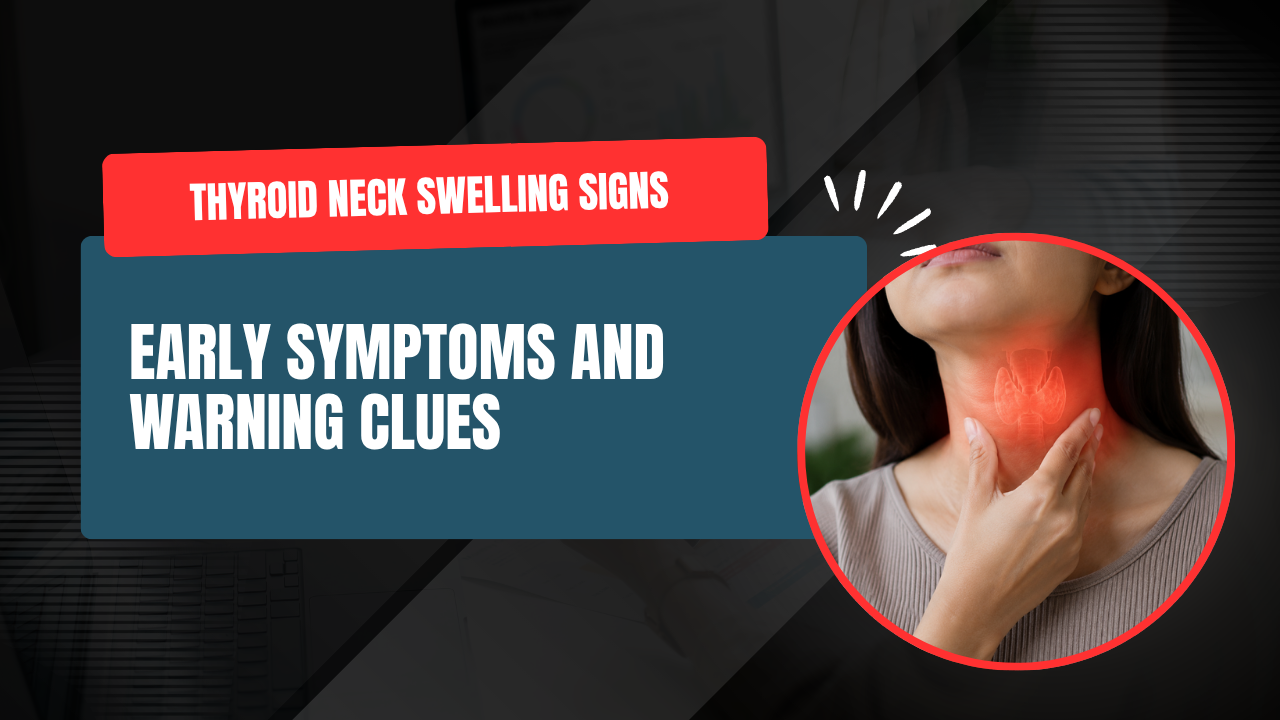
Neck swelling related to thyroid problems often starts quietly. You may notice a small bulge while looking in the mirror or feel tightness while swallowing. Many people ignore it at first, thinking it will settle on its own. In clinical practice, doctors like Dr Sujata A. Gawai often evaluate such symptoms during routine throat and neck examinations to identify whether the cause is thyroid-related or due to another condition.
In this blog, you will understand thyroid-related neck swelling, its symptoms, causes, warning signs, and when you should seek medical care.
The thyroid gland plays an important role in controlling energy, metabolism, and overall body balance. When it becomes enlarged, it can affect daily comfort and health.
In this blog, you will understand thyroid-related neck swelling, its symptoms, causes, warning signs, and when you should seek medical care. You will also learn how early evaluation helps prevent complications.
What thyroid neck swelling means
The thyroid is a butterfly-shaped gland located in the lower front of your neck. When it enlarges, the condition is called goiter. In some cases, small lumps called nodules may also develop inside the gland.
You may notice:
- A visible swelling in the neck
- Pressure while swallowing
- Change in voice tone
- A feeling of fullness in the throat
The swelling may stay stable for months or grow gradually depending on the underlying cause.
Causes of thyroid swelling
Thyroid enlargement can happen due to several reasons. Some are common, while others need closer attention.
1. Iodine imbalance
Your thyroid needs iodine to function properly. Low iodine intake can cause enlargement of the gland over time.
2. Autoimmune thyroid disease
Conditions like Hashimoto’s thyroiditis cause the immune system to attack the thyroid, leading to inflammation and swelling.
3. Overactive thyroid
In Graves’ disease, the thyroid produces excess hormones. This can lead to visible enlargement along with other body symptoms.
4. Thyroid nodules
Lumps inside the thyroid gland may remain small or grow slowly. Some nodules need monitoring to rule out serious changes.
5. Thyroid inflammation or infection
In some cases, infection or inflammation can cause temporary swelling in the neck.
6. Hormonal changes
Pregnancy or hormonal imbalance may also trigger temporary thyroid changes.
Symptoms you may notice
Thyroid swelling does not look the same in everyone. Symptoms depend on hormone levels and gland size.
Common signs include:
- Swelling at the base of the neck
- Difficulty swallowing food or liquids
- Voice changes or hoarseness
- Unexplained weight gain or loss
- Fatigue or low energy levels
- Sensitivity to cold or heat
Some people only notice a neck bulge without any other symptoms in the early stage.
Warning signs that need attention
Certain symptoms suggest the condition should not be ignored.
- Rapid increase in neck swelling
- Hard lump in the thyroid area
- Persistent hoarseness of voice
- Breathing difficulty while lying down
- Long-lasting swallowing discomfort
- Unexplained weight changes with tiredness
If you notice these changes, medical evaluation becomes important without delay.

How thyroid swelling is diagnosed
Doctors use simple tests to understand the cause of swelling.
- Physical examination of the neck
- Blood tests to check thyroid hormone levels
- Ultrasound to study gland size and nodules
- FNAC test if a nodule looks suspicious
These tests help identify whether the condition is mild or requires treatment.
Treatment options for thyroid swelling
Treatment depends on the cause and severity of the condition.
Medication
Thyroid hormone tablets or anti-thyroid medicines may be prescribed based on test results.
Monitoring
Small nodules without risk are often observed with regular follow-ups.
Surgery
Surgery may be needed if swelling is large, causes pressure symptoms, or shows suspicious changes.
Radioactive iodine
In some cases of overactive thyroid, this treatment helps reduce hormone production.
Lifestyle care for thyroid health
Daily habits can support thyroid balance.
- Maintain a balanced diet with iodine-rich foods
- Take prescribed medicines regularly
- Avoid unnecessary supplements without advice
- Go for routine thyroid check-ups if advised
Have you ever noticed changes in your neck size without understanding the reason behind it? Early attention makes a difference in treatment outcomes.
When thyroid swelling needs specialist care
You should consult a specialist when swelling does not reduce or continues to grow. Early diagnosis helps prevent complications related to hormone imbalance or structural changes in the gland.
In cases where symptoms affect daily life, consulting an experienced doctor helps guide proper treatment planning. For patients in Kharghar, conditions like thyroid enlargement are often evaluated under general ENT care, including throat-related concerns such as swallowing and voice changes.
Doctors handling throat problems often assess thyroid-related neck swelling during routine ENT evaluations.
FAQs
1. Is all neck swelling related to thyroid disease?
No. Neck swelling can also be due to lymph nodes, infections, or cysts. A medical test is needed to confirm the cause.
2. Can thyroid swelling go away without treatment?
Some mild cases may reduce, but most thyroid-related swellings need medical evaluation and follow-up.
3. Is thyroid swelling always painful?
Usually, it is not painful. Pain may occur if there is inflammation or infection.
4. Can thyroid problems affect weight?
Yes. An underactive thyroid may lead to weight gain, while an overactive thyroid may lead to weight loss.
5. When should I worry about a thyroid lump?
If the lump grows quickly, feels hard, or affects swallowing or breathing, it should be checked immediately.
Conclusion
Thyroid-related neck swelling should not be ignored, especially when it changes in size or affects daily functions like swallowing or speaking. Early testing helps identify the cause and supports the right treatment approach. Paying attention to warning signs ensures timely care and better outcomes for thyroid health.