 by
by
The thyroid is a small gland in your neck that plays a critical role in controlling your metabolism and overall health. Sometimes, thyroid disorders require surgical intervention to prevent complications or improve quality of life. Understanding thyroid surgery, including why it is done, what to expect, and recovery tips, is essential for anyone considering the procedure. This blog explains the procedure, preparation, recovery, risks, and frequently asked questions, helping you make an informed decision.
What Is Thyroid Surgery?
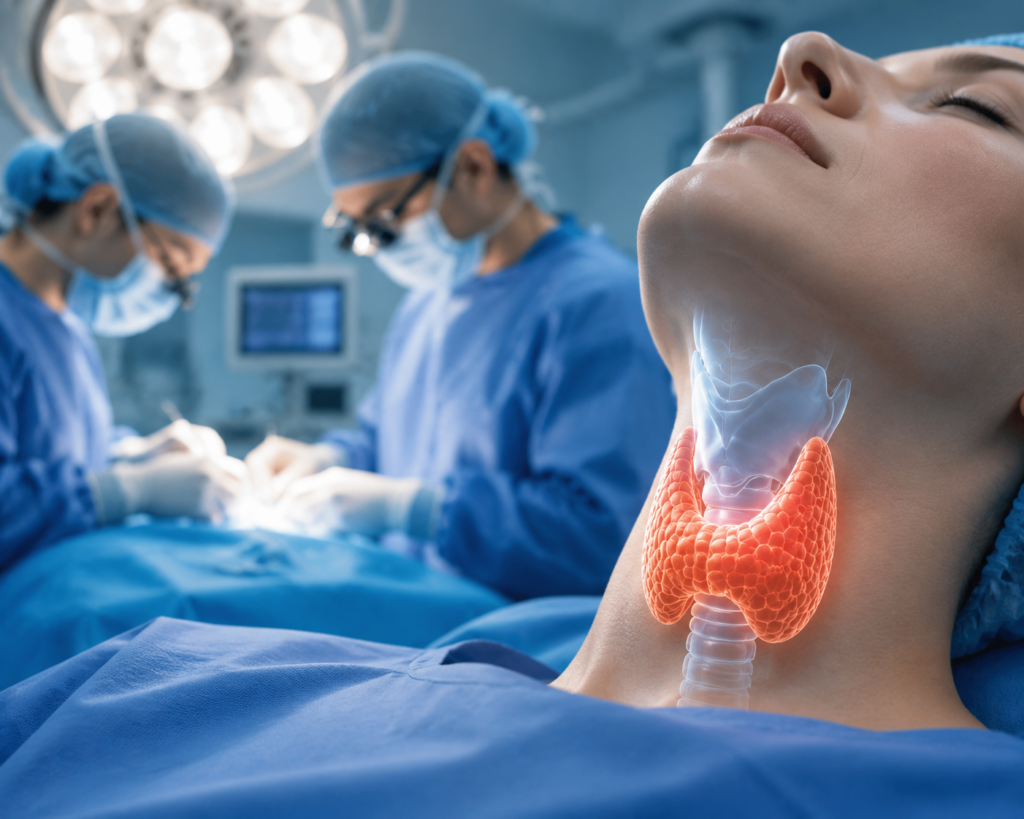
Thyroid surgery, medically known as thyroidectomy, involves removing part or all of the thyroid gland. This procedure is recommended when medications or other treatments cannot effectively manage thyroid conditions. The surgery is performed by skilled surgeons such as Dr. Sujata Gawai, a renowned ENT Surgeon in Mumbai, who specializes in thyroid and neck surgeries.
Types of Thyroidectomy
- Total Thyroidectomy – Complete removal of the thyroid gland, usually for thyroid cancer or extensive nodules.
- Partial Thyroidectomy (Lobectomy) – Only one lobe of the thyroid is removed, suitable for localized nodules.
- Subtotal Thyroidectomy – Most of the thyroid is removed while leaving a small portion intact.
- Isthmusectomy – Only the central part of the thyroid, the isthmus, is removed.
The type of thyroid surgery depends on your condition, size of nodules, and medical recommendations from your surgeon.
Why Thyroid Surgery May Be Needed
Several conditions can require thyroidectomy:
- Thyroid Cancer – Surgery removes cancerous tissue and prevents its spread.
- Large Goiter – Enlarged thyroid may cause difficulty in breathing or swallowing.
- Hyperthyroidism – When medication fails to control an overactive thyroid.
- Suspicious Nodules – Nodules with unclear biopsy results may need removal.
- Recurring Thyroid Problems – Repeat cysts or nodules may require surgical intervention.
Choosing a qualified ENT Surgeon in Mumbai, like Dr. Sujata Gawai, ensures the procedure is safe and tailored to your needs.
Preparing for Thyroidectomy
Preparation is critical to minimize risks and ensure smooth recovery:
- Medical Evaluation – Blood tests, ultrasound, and sometimes a biopsy are required.
- Medication Review – Certain medicines may need to be paused before surgery.
- Fasting – Typically, you should avoid food and drink for several hours before the operation.
- Discussing Risks – Your surgeon will explain potential complications and recovery expectations.
Patients who follow preparation guidelines often experience quicker recovery and fewer complications.
The Thyroid Surgery Procedure
Thyroidectomy is performed under general anesthesia. A small incision is made in the front of the neck, and the surgeon carefully removes part or all of the thyroid while preserving important structures such as nerves and parathyroid glands.
- Duration – Surgery usually takes 1 to 3 hours, depending on the type.
- Minimally Invasive Options – In some cases, small incisions or advanced robotic techniques may be used.
- Hospital Stay – Most patients stay 1–2 days, though some may go home the same day.
With experienced surgeons like Dr. Sujata Gawai, complications are minimized, and the focus is on functional and cosmetic outcomes.
Recovery After Thyroid Surgery
Recovery timelines vary depending on the type of thyroidectomy:
- Pain Management – Mild discomfort at the incision site is common; medications help control it.
- Wound Care – Keep the incision clean and dry; follow the surgeon’s instructions.
- Diet and Activity – Start with soft foods; avoid heavy lifting and strenuous activity for 2–3 weeks.
- Thyroid Hormone Replacement – Patients undergoing total thyroidectomy may require lifelong hormone therapy.
- Follow-Up Visits – Regular check-ups ensure proper healing and hormone balance.
Most patients resume normal activity within 2–3 weeks, with full adjustment of hormone levels taking a few months.
Risks and Complications
Thyroid surgery is generally safe, but possible risks include:
- Voice Changes – Temporary hoarseness may occur due to nerve irritation.
- Hypocalcemia – Low calcium levels if parathyroid glands are affected.
- Infection – Rare, but incision infections can occur.
- Bleeding or Hematoma – Swelling in the neck may require urgent attention.
- Scarring – Most scars heal well; some may be slightly visible.
Choosing an experienced surgeon like Dr. Sujata Gawai reduces these risks and improves recovery outcomes.
Frequently Asked Questions (FAQs)
1. Will I need medication after thyroid surgery?
If the entire thyroid is removed, you will require lifelong hormone replacement. Partial removal may not always need medication.
2. How long is the full recovery?
Most patients recover in 2–3 weeks, though hormone levels may take longer to stabilize.
3. Can thyroid surgery affect my voice permanently?
Permanent changes are rare with skilled surgeons, but temporary hoarseness is common.
4. Is thyroidectomy safe for older adults?
Yes, careful evaluation and monitoring make surgery safe even for elderly patients.
5. When can I eat normally after surgery?
Soft foods can be started immediately; regular diet resumes within a few days.
Thyroid surgery is a reliable treatment for various thyroid conditions. With careful preparation, skilled surgeons like Dr. Sujata Gawai, and proper follow-up, most patients recover well and regain normal thyroid function. If you are considering thyroidectomy in Mumbai, consulting an experienced ENT Surgeon ensures safe treatment and better long-term health.