 by
by
Introduction
A deviated septum occurs when the wall between your nostrils shifts away from the centre, making one nasal passage smaller than the other. This condition can affect breathing, sleep quality, and daily comfort. While some people manage mild symptoms, others experience persistent nasal blockage and breathing difficulties.
Septoplasty surgery is a procedure that helps correct the position of the nasal septum and improves airflow through the nose. This blog explains what septoplasty involves, its benefits, recovery process, and common questions patients have before considering surgery.
What Is a Deviated Septum?
The nasal septum is the thin structure made of bone and cartilage that separates the left and right sides of your nose. When this structure is not straight, it is called a deviated septum.
A deviated septum can develop due to:
- Natural growth changes during childhood
- Injury or trauma to the nose
- Previous nasal fractures
Some people have a deviated septum without noticeable symptoms. Others may experience:
- Difficulty breathing through one or both nostrils
- Frequent nasal congestion
- Snoring or disturbed sleep
- Repeated sinus infections
- Nosebleeds
- Dryness or discomfort inside the nose
If nasal blockage affects your daily activities or sleep, an ENT specialist in Mumbai may recommend further evaluation.
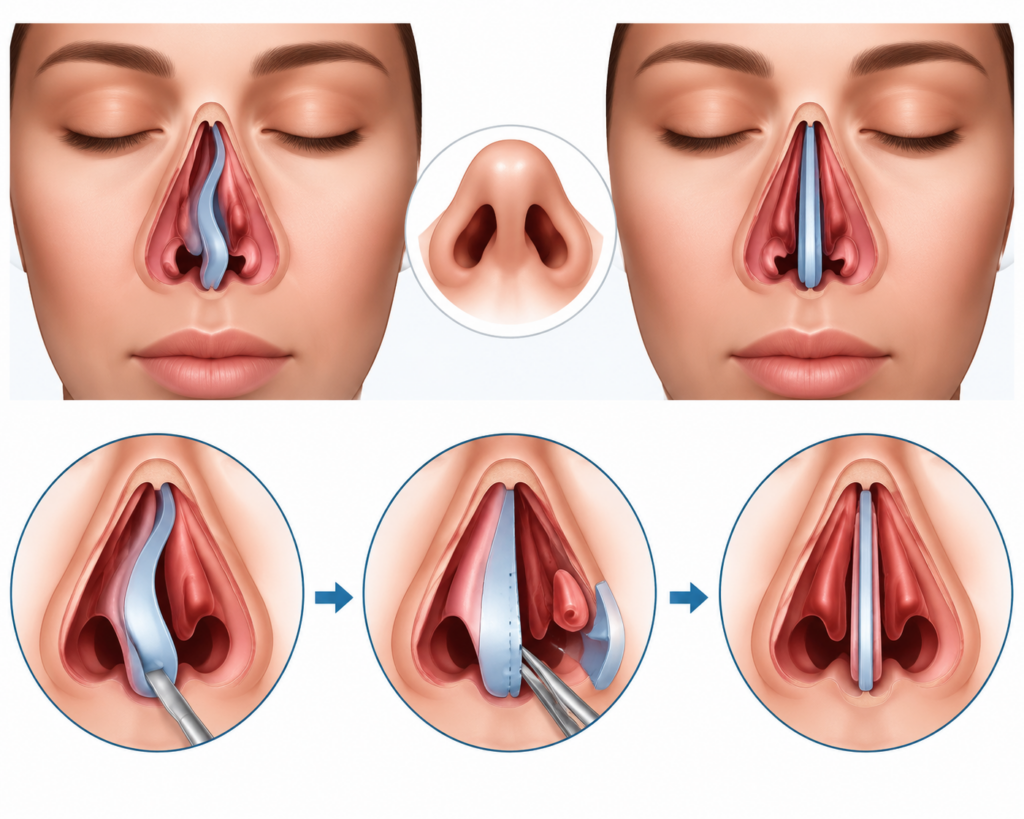
What Is Septoplasty Surgery?
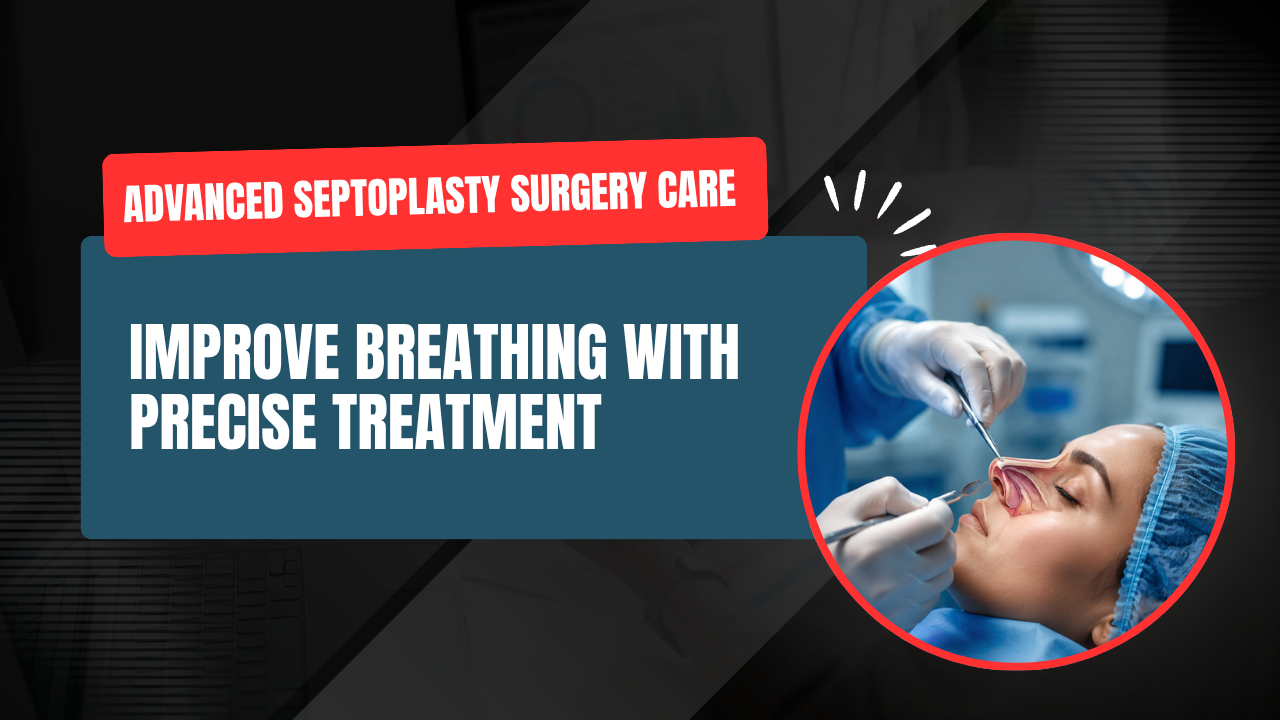
Septoplasty is a surgical procedure performed to straighten the nasal septum and improve airflow through the nasal passages.
During the procedure, the surgeon makes a small incision inside the nose. The deviated portions of bone and cartilage are carefully adjusted or removed, and the remaining septum is repositioned in the centre.
The surgery is usually performed under local or general anaesthesia, depending on the complexity of the case and the surgeon’s recommendation.
Septoplasty does not change the external appearance of the nose. Its main goal is to improve nasal function and help you breathe more comfortably.
Benefits of Septoplasty Surgery
1. Improved Nasal Breathing
The main benefit of septoplasty is better airflow through the nose.
A crooked septum can restrict air movement, forcing you to breathe through your mouth. After correction, many patients experience easier breathing during daily activities and exercise.
2. Better Sleep Quality
Nasal blockage can disturb your sleep and contribute to snoring.
By improving airflow, septoplasty may help reduce breathing difficulties during sleep and allow you to rest more comfortably.
3. Reduced Nasal Congestion
Some people depend on nasal sprays or medications because of constant blockage.
Septoplasty addresses the structural problem behind nasal obstruction, which can reduce the need for long-term symptom control in suitable patients.
4. Fewer Sinus-Related Problems
A deviated septum can affect normal drainage from the sinuses. Poor drainage may increase the risk of sinus pressure and repeated infections.
Correcting the septum can help improve sinus ventilation and support better nasal function.
5. Better Quality of Life
Breathing problems can affect concentration, physical activity, and overall comfort.
When nasal airflow improves, many patients find daily activities easier and more comfortable.
Who May Need Septoplasty Surgery?
Not everyone with a deviated septum requires surgery. Treatment depends on the severity of symptoms and how much they affect your life.
An ENT specialist may consider septoplasty if you have:
- Persistent nasal blockage despite medical treatment
- Difficulty breathing during physical activity
- Frequent sinus infections linked to septum problems
- Sleep disturbance due to nasal obstruction
- Repeated nosebleeds caused by septal irregularity
Your doctor will examine your nose and may recommend nasal endoscopy or imaging tests to understand the condition better.
Septoplasty Recovery: What to Expect
Recovery after septoplasty varies from person to person, but most patients can return to normal activities gradually.
First Few Days After Surgery
You may experience:
- Nasal congestion
- Mild swelling
- Pressure around the nose
- Small amounts of nasal discharge
These symptoms are common as your nose begins healing.
Your doctor may recommend saline sprays or medications to keep the nasal passages comfortable and support healing.
First Few Weeks
During recovery:
- Avoid blowing your nose forcefully
- Avoid heavy exercise and lifting
- Follow your doctor’s cleaning instructions
- Attend follow-up appointments
Most people can return to work within a week, depending on their recovery and type of work.
Complete Healing
Internal healing of the nose continues for several weeks to months. Breathing improvement may become more noticeable as swelling reduces.
Following post-surgery instructions plays an important role in achieving good results.
Risks and Considerations of Septoplasty
Septoplasty is considered a safe procedure when performed by an experienced ENT surgeon. Like any surgery, it has some possible risks.
These may include:
- Bleeding
- Infection
- Temporary numbness around the nose
- Changes in nasal sensation
- Persistent symptoms in some cases
A detailed discussion with your ENT specialist helps you understand the expected results and whether septoplasty is suitable for your condition.
FAQs About Septoplasty Surgery
1. Is septoplasty surgery painful?
Septoplasty is performed under anaesthesia, so you will not feel pain during the procedure. After surgery, you may experience nasal pressure, congestion, or mild discomfort, which can usually be managed with prescribed medications.
2. How long does septoplasty surgery take?
Most septoplasty procedures take around 30 minutes to 90 minutes. The duration depends on the complexity of the septum correction.
3. Can septoplasty improve snoring?
Septoplasty may help reduce snoring if nasal blockage caused by a deviated septum is a major contributing factor. Snoring can have other causes, so your doctor will evaluate the underlying reason.
4. Will septoplasty change the shape of my nose?
Septoplasty focuses on correcting the internal nasal septum and usually does not change the external appearance of your nose. Cosmetic changes require a different procedure called rhinoplasty.
5. How soon can I return to normal activities after septoplasty?
Many patients return to routine work within one week. Activities involving heavy physical effort may need to be avoided for a longer period as advised by your surgeon.
6. Is septoplasty a permanent solution?
Septoplasty provides long-term correction of a deviated septum. The results are generally lasting, though changes caused by injury or other nasal conditions can affect nasal function later.
7. Can children undergo septoplasty?
Septoplasty may be considered in children with significant breathing problems, but doctors carefully evaluate the timing based on growth, symptoms, and overall health.
Conclusion
A deviated septum can affect breathing, sleep, and everyday comfort. Septoplasty surgery helps correct the structural blockage inside the nose and can provide long-term improvement in nasal airflow. If you experience ongoing nasal obstruction or related problems, an ENT specialist can evaluate your condition and suggest the right treatment approach. With proper diagnosis, surgical planning, and recovery care, many patients experience better breathing and improved daily comfort.