 by
by “It Keeps Coming Back…”– Sound Familiar?
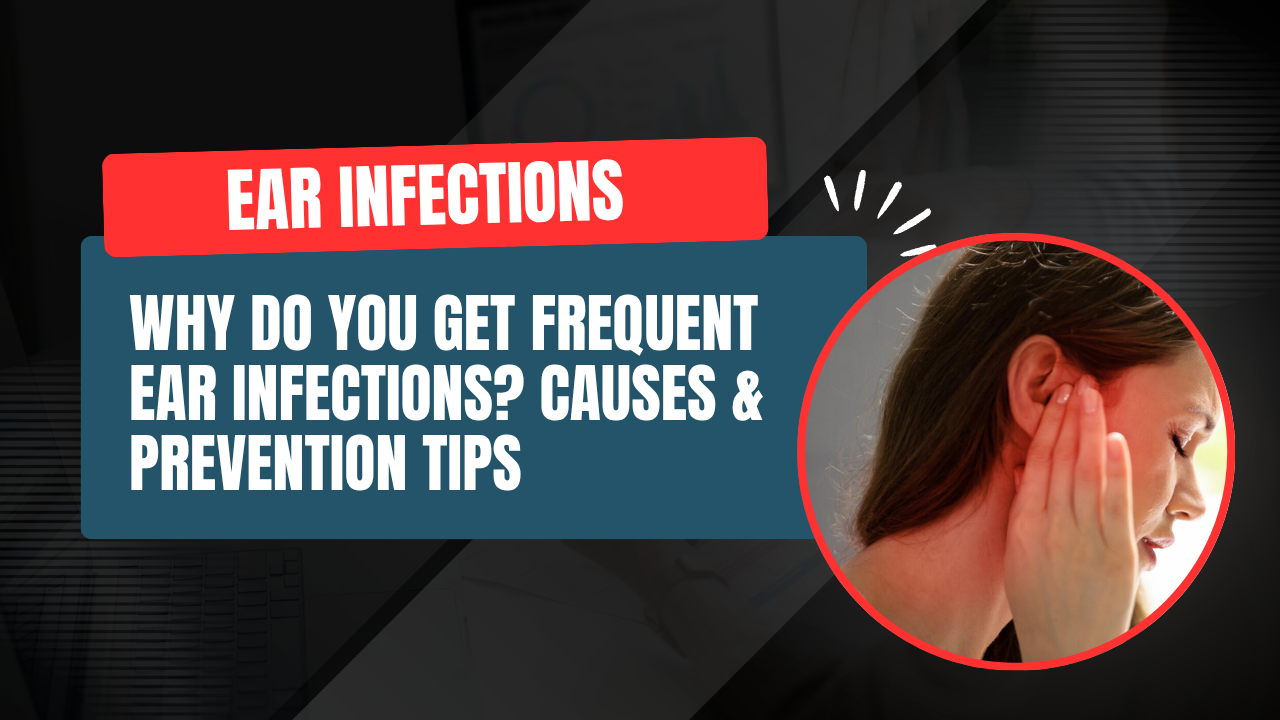
You treat an ear infection… it gets better… and then a few weeks later—it’s back again.
If this cycle sounds familiar, you’re not alone.
Frequent ear infections are one of the most common reasons people visit an ENT specialist in Kharghar, especially parents with young children. But here’s the truth: recurrent infections are not normal—they usually point to an underlying issue.
At Auricle ENT Care Clinic, Dr. Sujata Gawai focuses on identifying the root cause, not just treating the symptoms.
What Counts as “Frequent” Ear Infections?
You may have recurrent ear infections if:
- You’ve had 3 or more infections in 6 months
- Or 4+ infections in a year
- Symptoms keep returning despite treatment
👉 This is your signal to consult an expert.
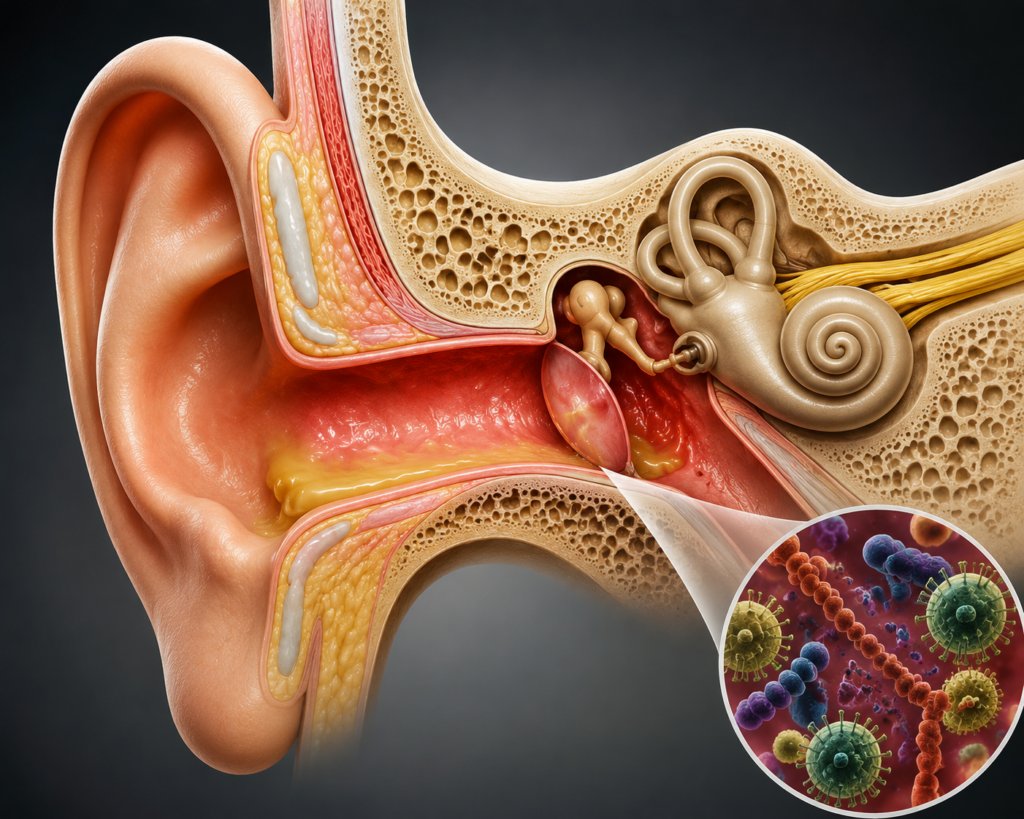
The Real Reasons Behind Repeated Ear Infections
Let’s go beyond surface-level explanations.
1. Poor Eustachian Tube Function
Your ear has a tiny drainage system (Eustachian tube). If it doesn’t work properly:
- Fluid builds up
- Bacteria grow
- Infections return
👉 Very common in children
2. Allergies & Sinus Issues
Allergies cause:
- Nasal blockage
- Fluid retention
- Increased infection risk
This is why many patients with sinus problems also suffer from ear infections.
3.Incomplete Treatment
Stopping antibiotics early or self-medicating can:
- Leave bacteria behind
- Lead to recurring infections
4.Water Entering the Ear
Frequent swimmers or improper ear cleaning may trap moisture inside the ear.
👉 Creates the perfect environment for bacteria
5.Children Are More Prone
Kids get more ear infections because:
- Their ear tubes are shorter
- Their immune system is still developing
6.Incorrect Ear Cleaning Habits
Using earbuds or sharp objects can:
- Push wax deeper
- Cause injury
- Increase infection risk
Warning Signs You Shouldn’t Ignore
Recurring ear infections often show patterns:
- Ear pain that keeps returning
- Fluid discharge
- Hearing difficulty
- Irritability (in children)
- Feeling of fullness in the ear
👉 These symptoms require evaluation by an experienced ENT specialist.
Prevention Tips That Actually Work
Let’s move to solutions you can start today:
Keep Your Ears Dry
- Use ear protection while swimming
- Avoid water entry during infections
Treat Allergies Early
- Manage sinus and nasal problems
- Don’t ignore frequent colds
Avoid Self-Medication
- Always complete prescribed treatment
- Consult a qualified doctor
Practice Safe Ear Hygiene
- Avoid earbuds or sharp objects
- Clean ears only when necessary
Boost Immunity
- Balanced diet
- Proper sleep
- Hydration
When Do You Need Advanced Treatment?
If infections keep coming back, your doctor may suggest:
- Detailed ear examination
- Hearing tests
- Allergy evaluation
- Minor procedures (if fluid persists)
👉 Early intervention prevents long-term damage.
Expert Care Matters
Repeated infections are not just a “small issue”—they can affect hearing and quality of life.
At Auricle ENT Care Clinic, Dr. Sujata Gawai, a trusted ENT specialist in Kharghar, provides:
- Accurate diagnosis
- Personalized treatment
- Long-term prevention strategies
What Happens If You Ignore It?
Untreated recurrent infections can lead to:
- Hearing loss
- Eardrum damage
- Chronic ear disease
- Speech delay in children
👉 This is why early care is crucial.
Book Appointment
Don’t let recurring ear infections disrupt your life.
👉 Consult Dr. Sujata Gawai, ENT specialist in Kharghar at Auricle ENT Care Clinic, for expert diagnosis and long-term relief.
FAQs
1. Why do I keep getting ear infections?
Frequent ear infections are usually caused by poor ear drainage, allergies, or incomplete treatment.
2. Are recurrent ear infections serious?
Yes, if untreated, they can lead to hearing loss and long-term ear problems.
3. How can I prevent ear infections?
Keep ears dry, treat allergies early, avoid self-medication, and maintain proper hygiene.
4. When should I see an ENT specialist?
If infections occur frequently or symptoms persist, consult an ENT specialist immediately.
5. Can children outgrow ear infections?
Yes, but repeated infections should still be evaluated to avoid complications.
6. Is ear cleaning necessary?
Only when required. Avoid using earbuds or inserting objects into the ear.