
 by
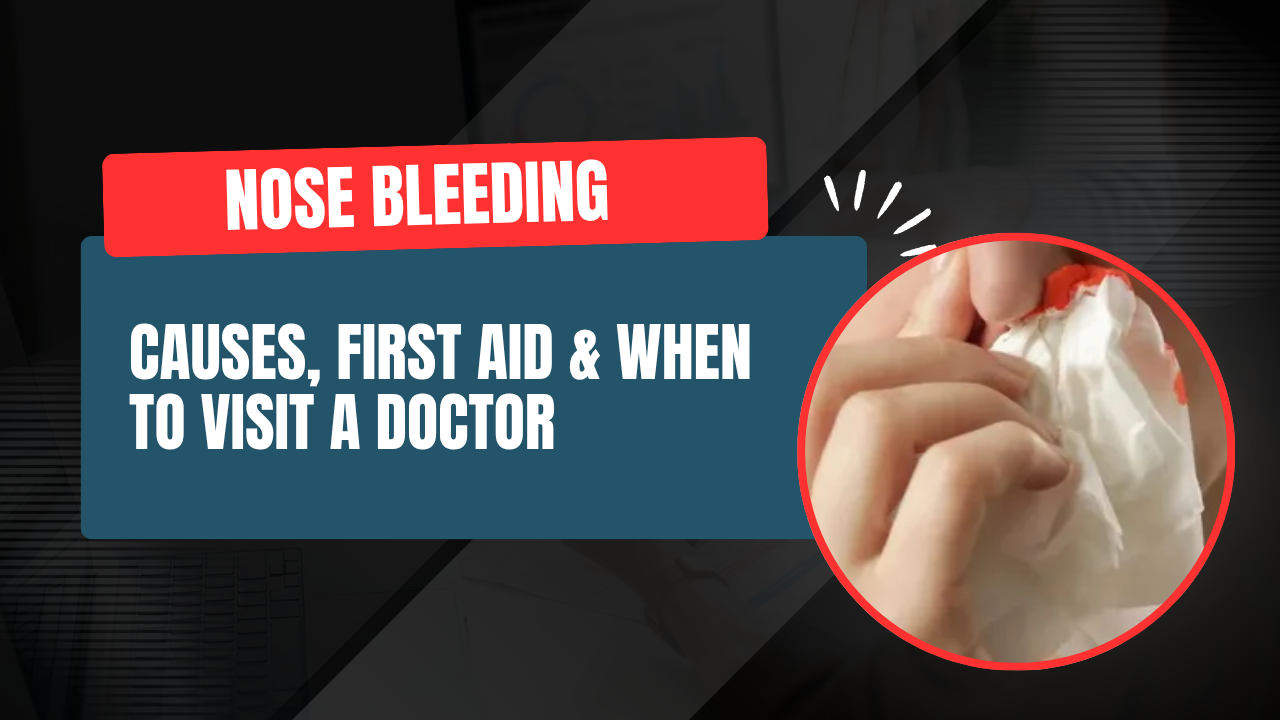
by Seeing blood suddenly come from your nose can feel alarming.
For some people, it happens occasionally during dry weather. For others, repeated nosebleeds may indicate an underlying health issue that needs medical attention.
The good news? Most nosebleeds are manageable with proper care—but knowing when it’s harmless and when it’s serious is important.
At Auricle ENT Clinic, Dr. Sujata Gawai, a trusted ENT specialist in Kharghar, helps patients identify the cause of recurring nosebleeds and provides effective treatment for long-term relief.
What Is Nose Bleeding (Epistaxis)?
Nose bleeding, medically called epistaxis, occurs when blood vessels inside the nose rupture.
The inside of the nose contains many delicate blood vessels close to the surface, making it easy for bleeding to occur.
👉 Most nosebleeds start from the front part of the nose and are usually not dangerous.
Common Causes of Nose Bleeding
Not every nosebleed is caused by the same problem.
Here are some of the most common triggers:
Dry Air & Weather Changes
Dry air can irritate and crack the nasal lining, especially during:
- Summer heat
- Air-conditioned environments
- Seasonal weather changes
Allergies & Frequent Sneezing
Constant rubbing or blowing of the nose due to allergies can damage blood vessels.
Nose Picking or Injury
Minor trauma is a common reason, especially in children.
Infections & Sinusitis
Nasal infections may inflame the inner lining and trigger bleeding.
Certain Medications
Blood thinners or excessive nasal spray use can increase bleeding risk.
High Blood Pressure
In some adults, frequent nosebleeds may be associated with uncontrolled hypertension.
When Nose Bleeding Becomes a Concern
An occasional nosebleed is usually harmless.
But repeated episodes should not be ignored.
You should consult an ENT specialist if:
- Bleeding happens frequently
- Blood flow is heavy
- Nosebleeds last more than 15–20 minutes
- You feel dizzy or weak
- Bleeding occurs after injury
These may indicate deeper nasal or medical issues.
Why Nosebleeds Are Common in Children
Children are more prone because:
- Their nasal lining is delicate
- Nose picking is common
- Allergies and infections occur frequently
Parents should seek medical care if bleeding becomes recurrent.
First Aid for Nose Bleeding: What You Should Actually Do
Many people still follow incorrect methods during a nosebleed.
Here’s the correct approach:
Step 1: Sit Upright
Keep the head slightly forward.
Do NOT tilt the head backward—it may cause blood to flow into the throat.
Step 2: Pinch the Soft Part of the Nose
Use your fingers to apply gentle pressure for 10–15 minutes continuously.
Step 3: Apply Cold Compress
Place an ice pack or cold cloth over the nose bridge.
Step 4: Stay Calm & Avoid Talking
Movement can worsen bleeding.
What NOT to Do During a Nosebleed
Avoid these common mistakes:
- Tilting the head backward
- Lying flat
- Forcefully blowing the nose
- Stuffing tissues aggressively into the nose
How ENT Specialists Diagnose Recurrent Nosebleeds
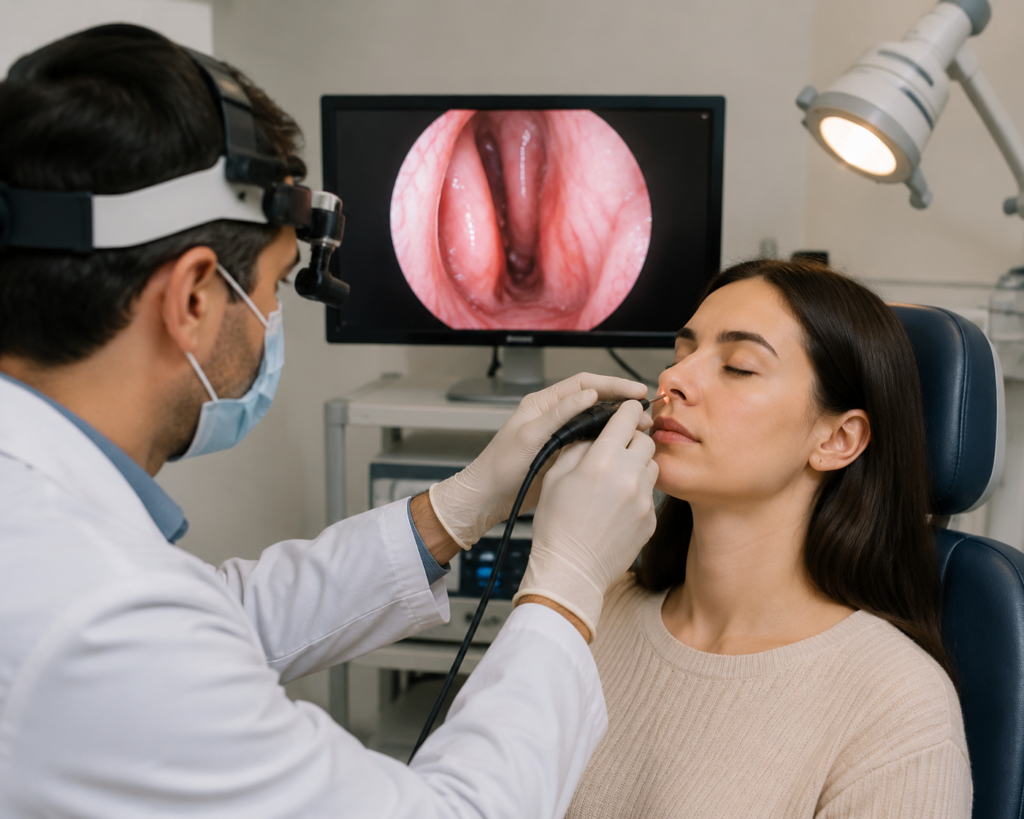
At Auricle ENT Clinic, evaluation may include:
- Nasal examination
- Endoscopy (to locate the bleeding source)
- Blood pressure check
- Allergy or sinus evaluation
Identifying the root cause helps prevent recurrence.
Treatment Options for Nose Bleeding
Treatment depends on the cause and severity.
✔️ Medications
For infections, allergies, or dryness
✔️ Nasal Moisturization
Helps prevent dryness-related bleeding
✔️ Cauterization
A medical procedure used to seal bleeding blood vessels
✔️ Advanced ENT Treatment
Required in severe or chronic cases
Why Nosebleeds Are Increasing Today
Lifestyle and environmental factors contribute significantly:
- Pollution exposure
- Air conditioning
- Stress and hypertension
- Excessive screen-time environments causing dryness
This is why more patients now seek care from an ENT specialist in Kharghar for repeated nasal problems.
Prevention Tips for Nosebleeds
Simple habits can reduce the risk:
✔️ Keep the Nose Moist
Use saline sprays if advised.
✔️ Stay Hydrated
Dryness worsens irritation.
✔️ Avoid Aggressive Nose Cleaning
Be gentle while blowing the nose.
✔️ Manage Allergies Early
Treat sneezing and irritation promptly.
✔️ Control Blood Pressure
Important for adults with recurrent bleeding.
Expert Care by Dr. Sujata Gawai
At Auricle ENT Clinic, Dr. Sujata Gawai provides expert care for:
- Recurrent nosebleeds
- Sinus and allergy-related issues
- Nasal blockage
- ENT emergencies
With advanced diagnostic tools and personalized treatment, patients receive effective long-term solutions.
Book Appointment (Strong CTA)
Frequent nosebleeds should never be ignored.
Consult Dr. Sujata Gawai, trusted ENT specialist in Kharghar, at Auricle ENT Clinic for expert diagnosis and treatment of nose bleeding.
FAQs
1. What causes frequent nosebleeds?
Frequent nosebleeds may be caused by dryness, allergies, infections, high blood pressure, or nasal injury.
2. Is nose bleeding dangerous?
Most nosebleeds are harmless, but recurrent or heavy bleeding should be evaluated by an ENT specialist.
3. What is the correct first aid for a nosebleed?
Sit upright, lean slightly forward, pinch the soft part of the nose, and apply cold compresses.
4. When should I see a doctor for nose bleeding?
Consult a doctor if bleeding lasts more than 15–20 minutes, happens frequently, or occurs after injury.
5. Can sinus infections cause nosebleeds?
Yes, sinus infections and nasal inflammation can irritate blood vessels and trigger bleeding.
6. Are nosebleeds common in children?
Yes, children commonly experience nosebleeds due to delicate nasal tissues and nose picking.
7. How are recurrent nosebleeds treated?
Treatment may include medications, moisturization, cauterization, or advanced ENT procedures depending on the cause.