 by
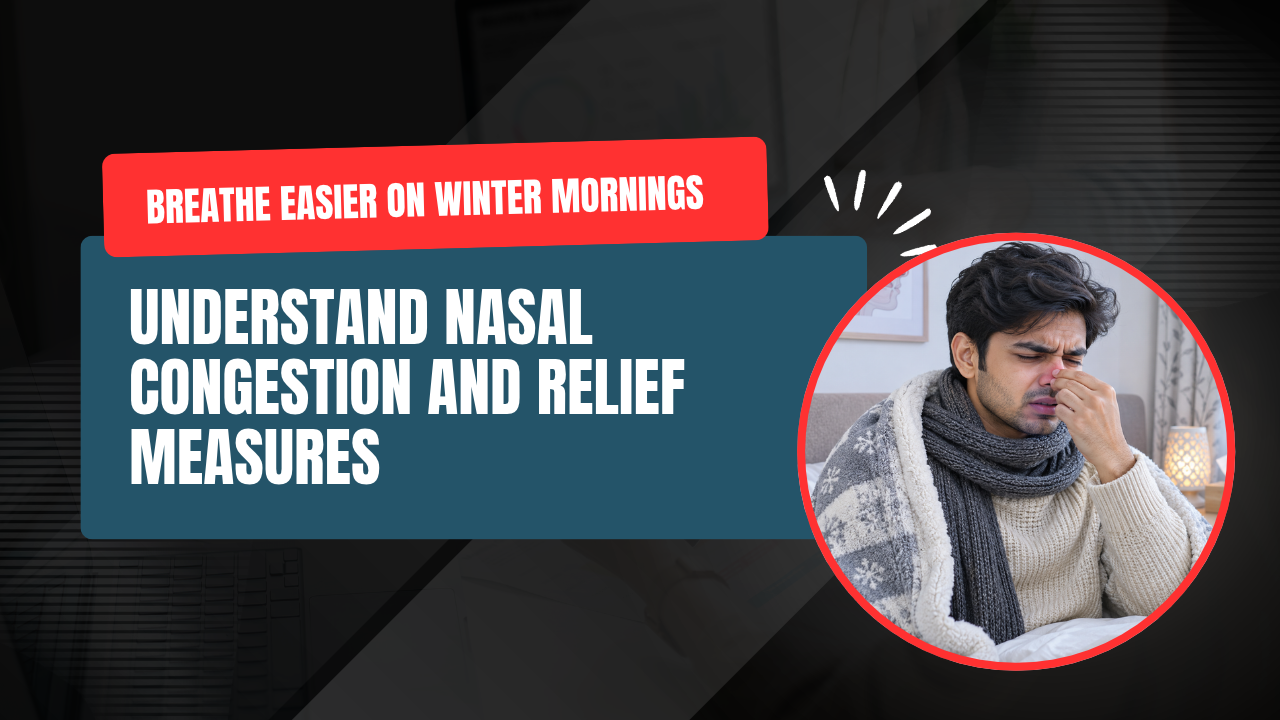
Do you wake up with a blocked nose almost every morning during winter? Does your nose feel stuffy when you get out of bed but gradually improve as the day progresses?
Morning nasal congestion is a common complaint. Although it may feel like a seasonal cold, a blocked nose every morning in winter can also be associated with allergies, changes in temperature, dry air, or existing nasal conditions.
Understanding why your nose becomes blocked after waking up can help you manage symptoms and recognise when medical evaluation is necessary.
Why Does My Nose Get Blocked Every Morning in Winter?
A blocked nose in the morning during winter may occur because of swelling inside the nasal passages, exposure to bedroom allergens, dry or cold air, or inflammation associated with rhinitis.
While sleeping, lying flat can also contribute to nasal congestion. If your nasal passages are already inflamed, you may notice increased blockage during the night or immediately after waking up.
The exact reason varies from person to person, and symptoms alone may not always identify the underlying cause.
7 Common Causes of a Blocked Nose Every Morning in Winter
1. Allergic Rhinitis (Nasal Allergy)
Allergic rhinitis is one possible reason for repeated morning nasal congestion.
It occurs when the immune system reacts to allergens such as dust mites, mould, pollen, or animal dander.
Common symptoms include:
- Repeated sneezing after waking up.
- Blocked or runny nose.
- Itching inside the nose.
- Watery or itchy eyes.
- Nasal congestion that improves after leaving the bedroom.
People with allergic rhinitis may experience symptoms throughout the year, although exposure patterns and environmental changes can make them more noticeable during certain seasons.
2. Dust Mites in Pillows, Mattresses and Blankets
Dust mites are microscopic organisms commonly found in bedding, mattresses, pillows, carpets and upholstered furniture.
People who are allergic to dust mites may experience nasal symptoms after spending several hours in bed.
Morning symptoms may include:
- Nasal blockage immediately after waking.
- Frequent sneezing.
- Clear nasal discharge.
- Itching around the nose or eyes.
Dust mites can trigger symptoms in any season, including winter, when people may spend more time indoors.
3. Cold Air and Changes in Temperature
Cold air and sudden changes in temperature can trigger nasal symptoms in some individuals.
This may be related to non-allergic rhinitis, a condition in which the nasal lining reacts to environmental triggers without an allergic response.
Moving between a warm room and a cooler environment may lead to:
- A blocked nose.
- Watery nasal discharge.
- Sneezing.
- Temporary nasal irritation.
People with sensitive nasal passages may notice these symptoms more frequently during colder months.
4. Dry Indoor Air
Reduced indoor humidity can irritate the lining of the nose.
Dry air may contribute to nasal discomfort, crusting and a sensation of blockage, particularly in people who already have sensitive or inflamed nasal passages.
Some people may also experience mild nosebleeds or dryness.
However, not every blocked nose is caused by dry air. Excessive indoor humidity can also encourage mould and dust mites, so maintaining a comfortable, balanced indoor environment is important.
5. Sinusitis or Inflammation of the Sinuses
Sinusitis occurs when the lining of the sinuses becomes inflamed.
It may develop after a respiratory infection or occur alongside other nasal conditions.
Possible symptoms include:
- Blocked nose.
- Facial pressure or discomfort.
- Thick nasal discharge.
- Reduced sense of smell.
- Mucus dripping into the throat.
A blocked nose alone does not necessarily indicate sinusitis. The duration and combination of symptoms help determine whether further evaluation is needed.
6. Deviated Nasal Septum or Nasal Polyps
Sometimes, repeated nasal obstruction may be associated with a structural condition.
A deviated nasal septum occurs when the wall separating the two nasal passages is displaced towards one side.
Nasal polyps are soft, non-cancerous growths that may develop in the nasal passages or sinuses.
These conditions can contribute to:
- Persistent nasal blockage.
- Difficulty breathing through one or both nostrils.
- Mouth breathing during sleep.
- Snoring.
- Reduced sense of smell, particularly with nasal polyps.
Winter-related inflammation may make an existing obstruction more noticeable.
7. Sleeping Position and Night-Time Congestion
Your sleeping position can influence how congested your nose feels.
Lying flat may increase the sensation of nasal blockage, especially when there is pre-existing inflammation.
The normal nasal cycle, in which airflow alternates between the nostrils, may also become more noticeable when lying on one side.
However, persistent or severe night-time blockage should not automatically be attributed to sleeping position.
Is Morning Nasal Congestion an Allergy or a Common Cold?
A blocked nose can occur with both nasal allergies and viral infections. Certain symptoms may help distinguish them.
| Symptoms | Nasal Allergy | Common Cold |
| Sneezing | Often frequent | Common |
| Itchy nose or eyes | Common | Less common |
| Nasal discharge | Usually clear and watery | May change over time |
| Fever | Not typical | Sometimes present |
| Duration | May continue with allergen exposure | Often improves within 1–2 weeks |
| Morning symptoms | May be prominent after bedroom exposure | Can occur at any time |
These differences are general indicators, not a substitute for diagnosis. Allergies and viral infections can also occur together.
How to Relieve a Blocked Nose in the Morning During Winter
Several measures may help reduce morning nasal congestion, depending on its cause.
1. Keep Your Bedroom Clean
If dust allergy is suspected, regularly wash bedsheets and pillowcases and reduce dust-collecting items around the bed.
Allergen-resistant mattress and pillow covers may be useful for people with confirmed dust mite allergy.
2. Consider Saline Nasal Spray or Rinsing
Saline solutions can help moisturise the nasal passages and clear mucus or allergens.
For nasal irrigation, use only distilled, sterile, or previously boiled and cooled water. Follow the product instructions and maintain proper device hygiene.
3. Maintain Comfortable Indoor Humidity
Avoid excessively dry indoor conditions.
If you use a humidifier, clean it regularly and avoid excessive humidity, which can encourage mould growth and dust mites.
4. Avoid Smoke and Strong Fragrances
Cigarette smoke, incense, strong perfumes and certain cleaning products may irritate sensitive nasal passages.
Reducing exposure to known triggers may help control symptoms.
5. Review Your Use of Nasal Decongestant Sprays
Some nasal decongestant sprays provide temporary relief but may cause rebound congestion if used for too long.
Do not use sprays containing oxymetazoline or xylometazoline for more than five consecutive days unless a qualified clinician specifically advises otherwise.
If you rely on these sprays regularly, seek medical advice.
6. Follow Treatment Recommended for the Underlying Cause
For allergic rhinitis, a clinician may recommend antihistamines or an appropriate corticosteroid nasal spray.
Other causes may require a different treatment approach.
Avoid repeatedly self-medicating without understanding why the blockage occurs.
When Should You Consult an ENT Specialist for Morning Nasal Blockage?
Occasional congestion may improve with simple measures. However, an ENT evaluation may be appropriate when:
- Your nose remains blocked for more than two weeks or symptoms repeatedly return.
- Nasal obstruction affects sleep or everyday activities.
- One nostril remains persistently blocked.
- You experience repeated nosebleeds.
- You have ongoing facial pressure or reduced sense of smell.
- Symptoms continue despite appropriate self-care.
- You frequently depend on nasal decongestant sprays.
Seek urgent medical attention for severe breathing difficulty, rapidly developing swelling around the eyes, visual changes, or a severe headache with significant illness.
Persistent one-sided obstruction, particularly with unexplained bleeding, should be assessed promptly.

How Is Recurrent Morning Nasal Congestion Diagnosed?
An ENT specialist may begin by reviewing your symptoms, medical history, allergy triggers and current medications.
The assessment may include:
- Nasal examination: Checking the nasal passages for swelling, discharge or structural abnormalities.
- Allergy assessment: Considering possible allergens based on symptoms and exposure history.
- Nasal endoscopy: When clinically indicated, examining deeper nasal structures using a small camera.
- Further investigations: Imaging or other tests may be considered when symptoms and examination findings justify them.
Not everyone with morning nasal congestion requires endoscopy, allergy testing or a CT scan.
Treatment depends on the identified cause, symptom severity and individual clinical findings.
ENT Evaluation for Persistent Blocked Nose in Kharghar, Navi Mumbai
People experiencing persistent nasal blockage, morning sneezing or recurring sinus symptoms can consider an ENT consultation to understand the possible causes.
Dr. Sujata A. Gawai, MBBS, DNB (Otorhinolaryngology), Fellowship in Endoscopic Sinus & Skull Base Surgeries, is an ENT surgeon at Auricle ENT Hospital, Kharghar, Navi Mumbai.
An ENT evaluation can help distinguish between allergic rhinitis, non-allergic rhinitis, sinus inflammation and structural nasal conditions. The need for treatment or further investigation is determined by individual findings.
For information about ENT consultation, visit Auricle ENT Hospital or contact the hospital through its official channels.
Frequently Asked Questions
1. Why is my nose blocked every morning but clears up during the day?
Morning nasal blockage may be linked to dust mite exposure, allergic rhinitis, changes in sleeping position or temperature-related nasal irritation. Symptoms may improve after getting out of bed or moving away from a trigger. Persistent symptoms require evaluation.
2. Can cold weather cause a blocked nose without a cold?
Yes. Cold air and changes in temperature or humidity can trigger non-allergic rhinitis. This can cause nasal congestion or a runny nose even without a viral infection.
3. Is a blocked nose every morning a sign of sinusitis?
Not necessarily. Nasal allergies, irritants and structural conditions can also cause congestion. Sinusitis may be more likely when nasal blockage occurs with facial pressure, nasal discharge or reduced smell, but a clinical assessment is needed for diagnosis.
4. How can I prevent nasal congestion while sleeping in winter?
Keeping bedding clean, reducing exposure to known allergens, avoiding smoke, maintaining suitable indoor humidity and using saline nasal products appropriately may help. The most effective approach depends on the underlying cause.
5. When should I see an ENT doctor for a blocked nose?
Consider an ENT consultation if nasal blockage lasts longer than two weeks, repeatedly disrupts sleep, affects breathing, remains predominantly one-sided or occurs with recurrent bleeding, facial pain or reduced smell.
Conclusion
Waking up with a blocked nose every morning in winter can be uncomfortable, especially when it affects sleep or your daily routine.
Common causes include allergic rhinitis, dust mite exposure, temperature changes, dry air and underlying nasal conditions. Although simple preventive measures may help, persistent symptoms should not be ignored.
Identifying the underlying cause is important for choosing an appropriate and safe treatment approach.
Medical information disclaimer: This article is intended for general patient education and does not replace a personalised diagnosis or consultation with a qualified healthcare professional.