 by
Do you wake up sneezing repeatedly, sometimes five or ten times in a row? Does it happen almost every morning during winter, even when you do not have a cold?
You may notice that the sneezing begins as soon as you get out of bed, wash your face, or step into a cooler room. For some people, it settles within an hour. Others experience a runny nose, itchy eyes, or nasal irritation throughout the morning.
Morning sneezing in winter is often associated with allergic rhinitis, dust mite exposure, or sensitivity to cold air and temperature changes. However, frequent sneezing does not always mean you have an allergy.
Understanding the possible triggers can help you manage symptoms and determine when an ENT consultation may be helpful.
Why Do I Sneeze So Much After Waking Up in Winter?
Repeated sneezing after waking up may happen when allergens or irritants stimulate the sensitive lining inside your nose.
During sleep, you may spend several hours exposed to dust mites and other allergens in your bedding. When you wake up, changes in temperature, airflow, or exposure to environmental irritants may also trigger sneezing.
Sneezing is a protective reflex that helps clear particles and irritants from the nasal passages.
If it happens occasionally, it may not indicate a medical problem. However, persistent morning sneezing, particularly when accompanied by a runny nose or nasal itching, may suggest rhinitis.
7 Common Causes of Morning Sneezing During Winter
1. Allergic Rhinitis (Nasal Allergy)
Allergic rhinitis is a common cause of repeated sneezing.
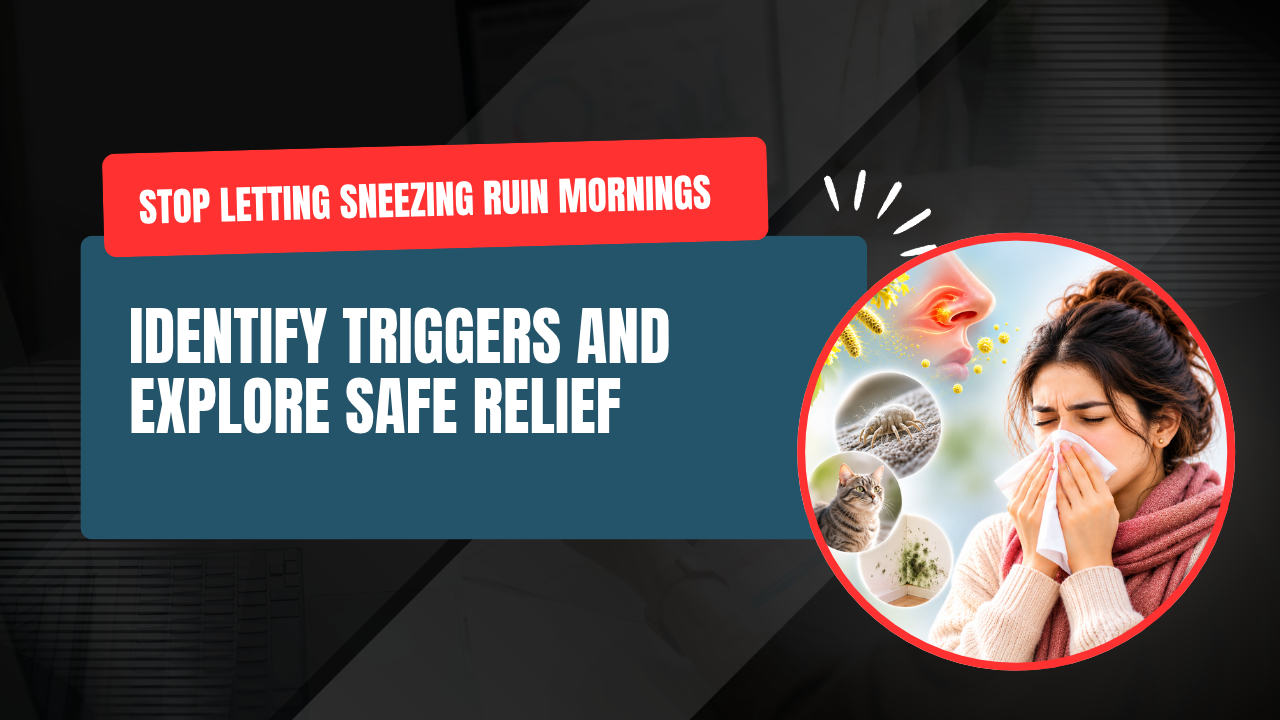
It develops when the immune system reacts to substances such as dust mites, pollen, mould spores, or animal dander.
This reaction releases chemicals, including histamine, that contribute to nasal irritation and sneezing.
Common symptoms include:
- Repeated sneezing after waking up.
- Itching inside the nose.
- Clear, watery nasal discharge.
- Nasal congestion.
- Red, itchy or watery eyes.
Allergic rhinitis can occur throughout the year. Some people experience more noticeable symptoms during winter because of changes in indoor exposure or environmental conditions.
2. Dust Mites in Pillows, Mattresses and Blankets
If you sneeze repeatedly after getting out of bed, your sleeping environment may be contributing to the problem.
Dust mites are microscopic organisms that commonly live in bedding, upholstered furniture and carpets.
Their particles can trigger allergic reactions in sensitive individuals.
Signs that dust mite allergy may be contributing include:
- Sneezing shortly after waking.
- An itchy or runny nose in the bedroom.
- Symptoms that improve after leaving the room.
- Similar symptoms when changing bedsheets or cleaning.
However, morning sneezing alone cannot confirm a dust mite allergy.
3. Cold Air and Sudden Temperature Changes
Cold weather does not automatically cause an allergy. However, cold air and changes in temperature or humidity can irritate the nasal lining in some people.
This may trigger a condition known as non-allergic rhinitis.
For example, moving from a warm bed into a cooler room may cause:
- Sudden sneezing.
- Watery nasal discharge.
- Nasal irritation.
- Temporary nasal congestion.
Unlike allergic rhinitis, non-allergic rhinitis does not involve the same immune response to a specific allergen.
4. Dust Accumulation in Winter Bedding
Blankets, quilts, curtains and other fabrics may collect dust and allergens when stored or used without regular cleaning.
Shaking blankets or changing bedsheets can release particles into the air.
People who are sensitive to these particles may experience sneezing and irritation.
Regularly washing and properly storing bedding may help reduce exposure.
5. Indoor Air Pollution and Irritants
Indoor air quality can influence nasal symptoms.
Common irritants include:
- Incense sticks and dhoop.
- Cigarette smoke.
- Strong perfumes and room fresheners.
- Household cleaning sprays.
- Cooking fumes.
- Dust and smoke entering from outdoors.
These substances may irritate the nasal lining even in people who do not have an allergy.
In urban areas such as Kharghar and Navi Mumbai, outdoor dust and pollution may also contribute to symptoms in susceptible individuals.
6. Pollen and Mould Exposure
Although pollen allergies are often associated with particular seasons, the timing of pollen exposure varies by plant and location.
Some people experience sneezing after opening windows, walking outdoors, or spending time in gardens.
Indoor mould may also contribute, particularly in areas with damp walls, poorly ventilated rooms, or excessive moisture.
Symptoms may include sneezing, a runny nose, nasal itching and eye irritation.
7. Non-Allergic Rhinitis
Not everyone who sneezes frequently has an allergy.
Non-allergic rhinitis can produce similar symptoms without an allergic immune response.
Possible triggers include:
- Weather changes.
- Strong smells.
- Smoke and chemical fumes.
- Certain medications.
- Hormonal changes.
An ENT specialist may consider non-allergic rhinitis when symptoms persist but typical allergic triggers are not identified.
Is Morning Sneezing a Sign of Allergy or a Common Cold?
Morning sneezing can occur with both allergies and respiratory infections. However, the symptom pattern may provide clues.
| Symptoms | Nasal Allergy | Common Cold |
| Repeated sneezing | Common | Possible |
| Itchy nose | Common | Uncommon |
| Watery eyes | Common | Less common |
| Runny nose | Often clear and watery | May become thicker |
| Fever | Not typical | Sometimes |
| Sore throat | May occur from postnasal drip | Common |
| Duration | May persist with allergen exposure | Usually improves within 1–2 weeks |
| Similar symptoms every morning | Possible | Less typical |
A cold is caused by a viral infection, whereas allergic rhinitis is triggered by an immune response to allergens.
These symptoms can overlap. A clinical assessment may be necessary if the cause is unclear.
Why Do I Sneeze 10–15 Times in a Row Every Morning?
Sneezing several times in succession may occur when the nasal lining is repeatedly stimulated by allergens or irritants.
For example, someone with allergic rhinitis may have multiple sneezing episodes after exposure to dust mites.
The number of sneezes alone does not indicate how serious the condition is.
More useful questions include:
- Does it happen every morning?
- Is there itching in the nose or eyes?
- Does the sneezing improve after leaving the bedroom?
- Are symptoms worse while cleaning?
- Is there an accompanying runny or blocked nose?
- Are sleep and daily activities affected?
Keeping a record of these patterns may help identify possible triggers.
How to Stop Sneezing Every Morning During Winter
The most appropriate way to manage repeated morning sneezing depends on what is causing it.
The following measures may help reduce symptoms.
1. Wash Bedsheets and Pillowcases Regularly
Wash bedding according to fabric instructions and keep pillows and mattresses clean.
People with confirmed dust mite allergy may benefit from allergen-resistant mattress and pillow covers.
2. Reduce Dust Accumulation in the Bedroom
Use a damp cloth for dusting rather than spreading dust into the air.
If possible, reduce unnecessary carpets, stuffed toys and other items that collect dust near the bed.
Regular cleaning can help limit exposure to indoor allergens.
3. Avoid Sudden Exposure to Cold Air
If cold air triggers sneezing, try to reduce abrupt temperature changes.
Avoid directing strong, cold airflow towards your face when you wake up.
4. Avoid Strong Fragrances and Smoke
Reduce exposure to incense, tobacco smoke, air fresheners and strong cleaning products if they worsen symptoms.
These substances can irritate sensitive nasal passages.
5. Use Saline Nasal Products Appropriately
Saline nasal sprays may help moisturise the nasal lining and clear irritating particles.
If using a nasal irrigation device, use only sterile, distilled, or previously boiled and cooled water. Clean the device as instructed.
6. Maintain Suitable Indoor Humidity
Excessively damp environments can promote mould and dust mites.
Keep the bedroom well maintained, address visible dampness and clean any humidifier regularly.
7. Seek Advice About Allergy Medication
Depending on the diagnosis, a doctor may recommend a non-sedating antihistamine or a corticosteroid nasal spray.
These treatments work differently and may not be suitable for every cause of sneezing.
Avoid taking allergy medication repeatedly without medical advice, particularly if symptoms are persistent, you are pregnant, or you have other medical conditions.

Can Morning Sneezing Be Prevented?
Morning sneezing may be reduced when the responsible triggers are identified and managed.
For people with allergic rhinitis, controlling exposure to relevant allergens and following an appropriate treatment plan can help.
For non-allergic rhinitis, avoiding temperature-related or chemical irritants may be beneficial.
However, prevention is not always complete, and persistent symptoms may require further assessment.
When Should You Consult an ENT Specialist for Frequent Sneezing?
Occasional sneezing is usually harmless. However, an ENT consultation may be appropriate if:
- You experience repeated sneezing almost every morning for several weeks.
- Sneezing is accompanied by persistent nasal congestion.
- Symptoms interfere with sleep, work or daily activities.
- You frequently experience an itchy nose or watery eyes.
- Nasal symptoms continue despite avoiding suspected triggers.
- You develop recurrent sinus symptoms or reduced sense of smell.
- You are unsure whether your symptoms are caused by allergies or another nasal condition.
Seek urgent medical attention if nasal symptoms occur with significant breathing difficulty or swelling of the lips, tongue or throat, particularly after a possible allergic exposure.
How Does an ENT Specialist Diagnose Frequent Morning Sneezing?
Diagnosis usually begins with a detailed review of symptoms and possible triggers.
An ENT specialist may assess:
1. Symptom history
When sneezing occurs, how long it lasts, and whether it is associated with specific environments.
2. Nasal examination
Checking for inflammation, discharge, swelling or other nasal abnormalities.
3. Allergy assessment
Considering dust mites, pollen, mould, animal dander and other possible triggers. Allergy testing may be recommended in selected cases.
4. Additional examination
Nasal endoscopy may be considered when symptoms suggest another condition or when routine evaluation does not adequately explain the problem.
Not every patient needs allergy testing, nasal endoscopy or imaging.
The evaluation and management plan depend on the patient’s symptoms and examination findings.
ENT Consultation for Morning Sneezing in Kharghar, Navi Mumbai
If frequent morning sneezing is affecting your sleep or daily routine, understanding the underlying cause can help guide appropriate management.
Dr. Sujata A. Gawai, MBBS, DNB (Otorhinolaryngology), Fellowship in Endoscopic Sinus & Skull Base Surgeries, is an ENT surgeon at Auricle ENT Hospital, Kharghar, Navi Mumbai.
An ENT consultation may help identify whether symptoms are associated with allergic rhinitis, non-allergic rhinitis, environmental irritants or other nasal conditions.
Patients experiencing persistent sneezing, nasal irritation or recurring congestion can contact Auricle ENT Hospital for information about consultation and evaluation.
Website: https://auricleenthospital.com/
Frequently Asked Questions
1. Why do I sneeze every morning during winter but not during the day?
Morning sneezing may be related to dust mites in bedding, cold air, temperature changes or nasal allergies. Symptoms may decrease after you leave the bedroom or move away from a trigger. Repeated symptoms may require medical evaluation.
2. Is sneezing 10 times in a row every morning normal?
Multiple sneezes can occur when the nasal lining is irritated. Occasional episodes are generally not concerning, but frequent sneezing accompanied by itching, a runny nose or congestion may suggest rhinitis.
3. Can cold weather cause sneezing without an allergy?
Yes. Cold air and changes in temperature or humidity may trigger non-allergic rhinitis. It can cause sneezing and watery nasal discharge without an allergic reaction.
4. How can I reduce sneezing after waking up?
Keeping bedding clean, reducing exposure to dust and smoke, avoiding known triggers and using saline nasal products appropriately may help. Persistent symptoms may need diagnosis and targeted treatment.
5. When should I see an ENT doctor for morning sneezing?
Consider an ENT consultation if sneezing continues for several weeks, repeatedly disrupts your routine, occurs with persistent nasal congestion or does not improve after reasonable preventive measures.
Conclusion
Sneezing every morning during winter may be caused by allergic rhinitis, dust mite exposure, cold air, indoor irritants or non-allergic rhinitis.
While occasional sneezing is a normal protective response, repeated episodes that affect your comfort, sleep or daily activities deserve attention.
Identifying the cause is more useful than simply trying to suppress the sneezing. Appropriate preventive measures and medical guidance can help manage symptoms safely.
Medical disclaimer: This article is for general educational purposes only. It does not replace an individual medical consultation, diagnosis or treatment recommendation.