 by
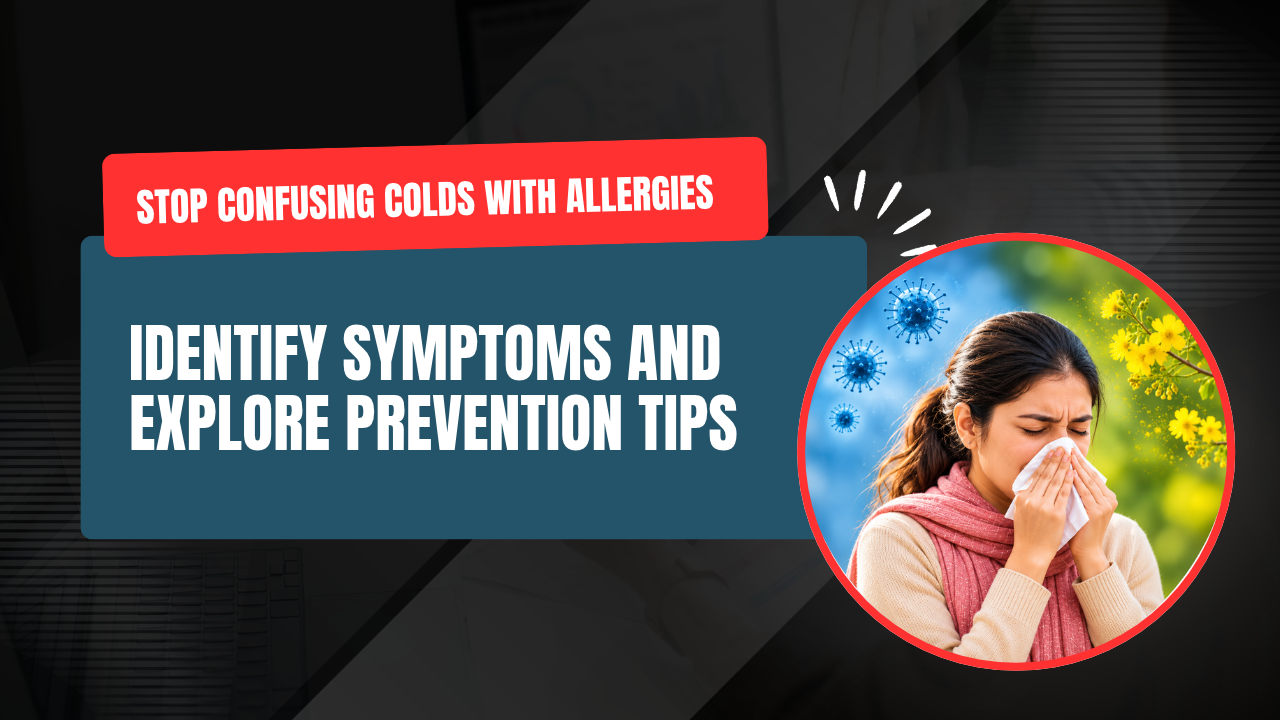
Sneezing, a runny nose and nasal congestion are common symptoms that can make it difficult to tell whether you have a cold or a pollen allergy. Both conditions affect the nose and upper respiratory tract, but they develop for different reasons and may require different approaches to care.
A common cold occurs due to a viral infection, while pollen allergy develops when the immune system reacts to airborne pollen from trees, grasses or weeds.
The difference becomes clearer when you consider how symptoms begin, how long they last and whether they include itching, fever or body aches.
The main difference between a cold and pollen allergy is that a cold is caused by a virus and may produce a sore throat, cough or mild fever, whereas pollen allergy commonly causes repeated sneezing, an itchy nose and watery eyes without fever.
Understanding these differences can help you recognise possible triggers, manage symptoms appropriately and decide when an ENT evaluation may be necessary.
CDC+1
What Is a Common Cold?
A common cold is a viral infection affecting the nose, throat and upper respiratory tract. Several respiratory viruses can cause it, including rhinoviruses.
Cold viruses spread through respiratory particles released when an infected person coughs, sneezes or talks. Infection can also occur after touching contaminated surfaces and then touching the nose, mouth or eyes.
Cold symptoms often appear gradually and become more noticeable over the first two to three days.
Common symptoms include:
- Runny or blocked nose
- Sneezing and nasal irritation
- Sore or scratchy throat
- Mild to moderate cough
- Headache or mild body aches
- Tiredness or reduced energy
- Occasional low-grade fever
Most uncomplicated colds improve within approximately one week, although nasal congestion or coughing can sometimes continue for 10–14 days.
Antibiotics do not treat the viruses responsible for a common cold.
CDC+1
What Is a Pollen Allergy?
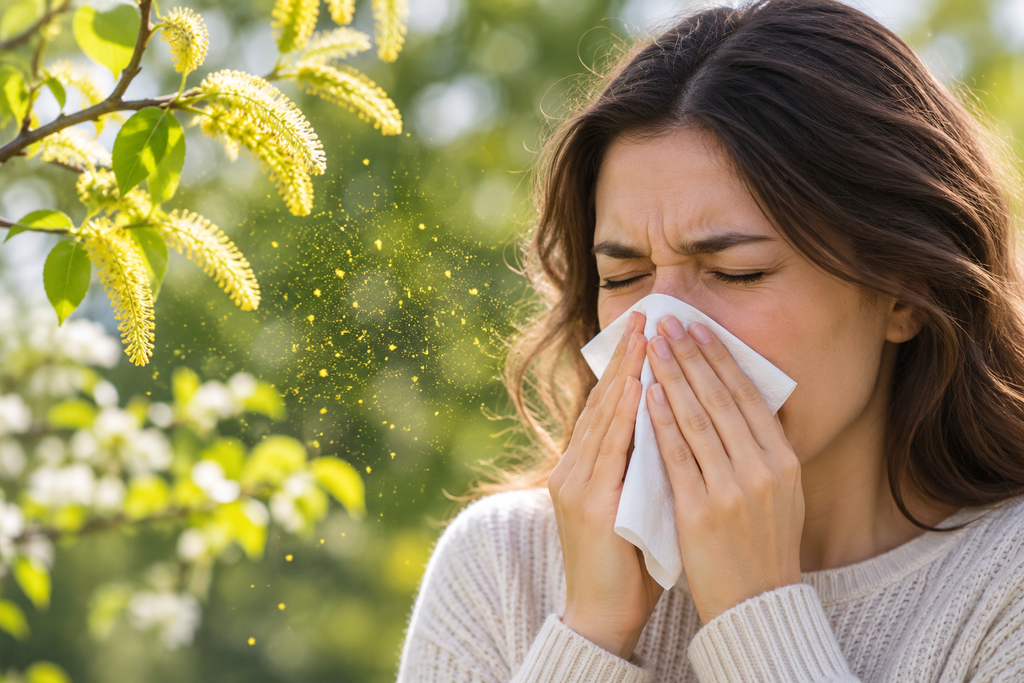
Pollen allergy is a type of seasonal allergic rhinitis, commonly called hay fever.
It occurs when the immune system mistakenly identifies airborne pollen as a harmful substance. The immune response releases histamine and other inflammatory chemicals, leading to irritation in the nose, eyes and throat.
Pollen may come from trees, grasses and weeds. Depending on local vegetation, weather and environmental conditions, pollen exposure can vary throughout the year.
Common pollen allergy symptoms include:
- Frequent or repeated sneezing
- Clear, watery nasal discharge
- Itching inside the nose
- Itchy, red or watery eyes
- Nasal blockage or congestion
- Itching in the throat or roof of the mouth
- Postnasal drip and occasional cough
- Sleep disturbance due to blocked nasal passages
Unlike a viral cold, pollen allergy is not contagious.
Some individuals experience symptoms only during particular seasons, while others may also have year-round allergic rhinitis triggered by dust mites, mould or other allergens.
AAAAI+1
Cold vs Pollen Allergy: Key Differences
Although the symptoms overlap, certain patterns can help distinguish a viral cold from pollen allergy.
| Feature | Common cold | Pollen allergy |
| Cause | Viral infection | Immune reaction to airborne pollen |
| Onset | Usually gradual | Often begins soon after exposure |
| Sneezing | Common | Often frequent or repetitive |
| Runny nose | Common | Common, usually watery |
| Itchy nose | Less typical | Common |
| Itchy or watery eyes | Less typical | Common |
| Sore throat | Common | May occur from irritation or postnasal drip |
| Fever | Sometimes | Not caused by pollen allergy |
| Body aches | Occasionally | Not typical |
| Cough | Common | Possible due to postnasal drip or associated asthma |
| Duration | Usually improves within 7–10 days | May continue for weeks during exposure |
| Contagious | Yes | No |
| Treatment approach | Symptom relief and supportive care | Allergen reduction and allergy-directed treatment |
These patterns are useful clues, not definitive diagnostic criteria. Other respiratory infections, non-allergic rhinitis and sinus conditions can produce similar symptoms.
How Can You Tell Whether You Have a Cold or Pollen Allergy?
If your nose keeps running or you experience repeated sneezing, four questions may help you identify the likely cause.
1. Do you have itchy eyes or an itchy nose?
Itching is one of the more useful clues suggesting allergic rhinitis.
People with pollen allergy often experience itching in the nose, eyes or roof of the mouth, along with repeated bouts of sneezing.
A common cold may cause nasal irritation, but prominent itching is less typical.
2. Do you have fever or body aches?
A mild fever or body aches may occur with viral respiratory infections, although many colds occur without fever.
Pollen allergy itself does not cause fever.
A high fever, significant body aches or pronounced fatigue may suggest another infection, such as influenza or COVID-19, rather than a simple cold or pollen allergy.
3. How long have your symptoms lasted?
Common cold symptoms generally improve within several days.
Pollen allergy symptoms may persist or recur for weeks if exposure to the triggering pollen continues.
If your symptoms return repeatedly after going outdoors or during a particular season, an allergic trigger becomes more likely.
4. Do symptoms worsen in certain environments?
People with pollen allergy may notice increased sneezing, itching or congestion after spending time in gardens, parks or areas with flowering vegetation or grasses.
Symptoms can also increase during windy weather when pollen becomes airborne.
Viral cold symptoms are not usually linked to a specific outdoor allergen exposure.
However, environmental irritants may worsen symptoms in either condition.
What Causes a Common Cold?
The common cold develops when a respiratory virus infects the lining of the upper respiratory tract.
The immune system responds to the infection, leading to inflammation, mucus production and symptoms such as congestion, sneezing and a sore throat.
Factors that may increase exposure include close contact with infected individuals, crowded indoor spaces, inadequate hand hygiene and touching the face after contact with contaminated surfaces.
Cold infections can occur at any time of year. Being exposed to cold weather alone does not directly cause a viral infection.
What Causes Pollen Allergy?
Pollen allergy develops when the immune system becomes sensitised to pollen proteins.
When a sensitive person inhales pollen, the body releases inflammatory chemicals that produce typical allergy symptoms.
Possible pollen sources include tree pollen, grass pollen and weed pollen.
Several factors influence symptom severity:
Seasonal changes: Different plants release pollen at different times of the year.
Wind and weather: Wind can carry pollen through the air, increasing exposure.
Outdoor activities: Gardening, exercising outdoors and spending time near grasses or vegetation may increase contact with pollen.
Individual susceptibility: People with a personal or family history of allergic conditions, such as asthma or eczema, may be more likely to develop allergic rhinitis.
In Kharghar and other parts of Navi Mumbai, symptoms may be influenced by local vegetation, changing weather and outdoor exposures. However, repeated sneezing does not automatically indicate pollen allergy. Dust mites, mould and non-allergic nasal irritation are other possible causes.
Can Pollen Allergy Cause a Sore Throat or Cough?
Yes. Pollen allergy can sometimes cause a sore throat or cough, mainly because of postnasal drip.
Postnasal drip occurs when excess mucus moves from the nasal passages into the back of the throat.
This may produce throat clearing, irritation, coughing and a sensation of mucus in the throat.
However, a persistent cough should not automatically be attributed to allergy. Asthma, respiratory infections, acid reflux and other conditions can also contribute.
A cough associated with wheezing, shortness of breath or chest tightness requires medical assessment.
Can a Cold and Pollen Allergy Occur Together?
Yes. A person with pollen allergy can also develop a viral respiratory infection.
For example, someone who regularly experiences itchy eyes and sneezing during outdoor exposure may develop an additional sore throat, fatigue or fever after catching a cold.
When both conditions occur, nasal congestion and coughing may become more troublesome.
If the symptom pattern changes noticeably, particularly with fever or worsening respiratory symptoms, a healthcare professional can help identify the likely cause.
How Is a Common Cold Diagnosed?
Most uncomplicated common colds are diagnosed through the person’s symptoms and medical history.
A doctor may ask when symptoms started, whether there has been contact with someone who is unwell and whether fever, cough or breathing difficulty is present.
A physical examination may be performed to assess the nose, throat, ears and respiratory system.
Routine laboratory testing is usually unnecessary for a mild, uncomplicated cold.
Testing for influenza, COVID-19 or other respiratory infections may be recommended when symptoms, exposure history or individual risk factors make it appropriate.
How Is Pollen Allergy Diagnosed?
Pollen allergy is usually assessed by reviewing the pattern of symptoms, possible triggers and medical history.
An ENT specialist may examine the nasal passages to identify inflammation, swelling or other conditions contributing to nasal obstruction.
Medical history and symptom assessment
The doctor may ask whether sneezing or itching occurs during particular seasons, after outdoor activities or following exposure to certain environmental conditions.
A history of asthma, eczema or allergies in close family members may also be relevant.
Nasal examination
An examination helps assess the nasal lining and look for other possible causes of persistent symptoms.
Nasal endoscopy may be considered in selected patients, particularly if there is persistent obstruction, unusual symptoms or concern about structural nasal problems.
Allergy testing
If the diagnosis remains uncertain or identifying a specific trigger would influence treatment, testing may be advised.
Skin-prick testing and blood tests for specific IgE antibodies can help identify sensitisation to particular allergens.
A positive allergy test must be interpreted alongside the person’s symptoms and exposure history. It does not necessarily mean that the identified allergen is responsible for every symptom.
Treatment for Cold vs Pollen Allergy
Because a common cold and pollen allergy have different causes, their treatment approaches also differ.
How Is a Common Cold Treated?
There is no specific cure for an uncomplicated common cold. Treatment generally focuses on easing symptoms while the immune system clears the infection.
Supportive care may include adequate rest, drinking sufficient fluids, saline nasal sprays and appropriate medicines for pain or fever when required.
A clinician or pharmacist may recommend selected symptom-relief medicines based on age, medical history and other medications.
Antibiotics are not effective against common cold viruses and should not be used unless a bacterial infection is diagnosed or strongly suspected.
How Is Pollen Allergy Treated?
Treatment aims to reduce symptoms and limit exposure to identified allergens.
Depending on symptom frequency and severity, a clinician may recommend:
- Saline nasal irrigation: Helps clear mucus and allergens from the nasal passages.
- Antihistamines: May relieve sneezing, itching and a runny nose.
- Intranasal corticosteroid sprays: Often recommended for persistent or moderate-to-severe allergic rhinitis, especially when nasal congestion is prominent.
- Allergy eye drops: May be considered for troublesome allergic eye symptoms.
- Allergen immunotherapy: May be suitable for selected patients with confirmed, clinically relevant allergies that remain difficult to control.
Decongestant nasal sprays should not be used repeatedly or for prolonged periods without medical guidance because they can cause rebound congestion.
Treatment choices should be individualised, particularly for children, pregnant patients and people with other medical conditions.
ACAAI Public Website+1
How to Prevent a Common Cold
It may not be possible to avoid every viral infection, but simple precautions can reduce the risk of catching and spreading respiratory viruses.
1. Wash your hands regularly
Wash your hands with soap and water, especially after visiting crowded places, coughing, sneezing or touching frequently used surfaces.
Use an alcohol-based hand sanitiser when soap and water are unavailable.
2. Avoid touching your face unnecessarily
Cold viruses can enter through the nose, mouth and eyes. Avoid touching these areas with unwashed hands.
3. Reduce close contact with people who are unwell
Avoid unnecessary close contact with individuals who have respiratory symptoms. If you are sick, limit contact with others to reduce transmission.
4. Improve indoor ventilation
Allow fresh air into indoor spaces where practical. Better ventilation can help reduce the concentration of airborne respiratory particles.
5. Follow respiratory hygiene practices
Cover your mouth and nose when coughing or sneezing, dispose of used tissues and clean your hands afterwards.
Cold prevention focuses on reducing exposure to respiratory viruses rather than avoiding pollen or seasonal weather changes.
How to Prevent Pollen Allergy Symptoms
Pollen allergy cannot always be prevented, but reducing exposure to relevant allergens may help minimise symptom flare-ups.
1. Monitor pollen exposure
Pay attention to whether symptoms worsen on particular days or after outdoor activities.
Where reliable local pollen forecasts are available, use them to plan activities during periods of increased exposure.
2. Keep windows closed when pollen exposure is high
Closing windows during high-pollen periods may reduce the amount of pollen entering indoor spaces.
A properly maintained air-conditioning or filtration system may also help reduce airborne particles indoors.
3. Change clothes after outdoor activities
Pollen can settle on clothing, hair and exposed skin.
Changing clothes and washing your face or hair after prolonged outdoor exposure may reduce continued contact with pollen.
4. Avoid drying clothes outdoors during high-pollen periods
Pollen may settle on clothing, bedsheets and towels drying outside.
Consider indoor drying when pollen exposure is particularly high.
5. Wear sunglasses outdoors
Sunglasses can help reduce direct exposure of the eyes to airborne pollen, particularly on windy days.
6. Use saline nasal rinses appropriately
Saline irrigation may help remove mucus and allergens from the nose.
Use only sterile, distilled or previously boiled and cooled water when preparing nasal irrigation solutions. Follow appropriate cleaning instructions for the device.
7. Follow the prescribed allergy management plan
For patients with recurring seasonal allergic rhinitis, clinicians may recommend starting or continuing preventive treatment around expected exposure periods.
Avoid repeatedly changing medicines without medical guidance.
These precautions may reduce symptom severity, although complete avoidance of airborne pollen is often difficult.
ACAAI Public Website+1
When Should You Consult an ENT Specialist for Cold or Allergy Symptoms?
Many mild colds resolve without specialist treatment. However, persistent, recurring or unusual symptoms may need further evaluation.
Consider seeking medical advice if you experience:
- Nasal congestion lasting longer than expected or recurring frequently.
- Persistent sneezing, itching or a runny nose that disrupts daily activities.
- Difficulty sleeping because of blocked nasal passages.
- Frequent symptoms after exposure to dust, pollen or other possible allergens.
- Recurrent sinus discomfort, facial pressure or ear-related symptoms.
- Symptoms that do not improve with appropriate initial treatment.
Seek prompt medical assessment for persistent fever, significant facial pain, dehydration or symptoms that worsen after initially improving.
Difficulty breathing, severe breathing distress, swelling of the tongue or throat, or other signs of a serious allergic reaction require emergency medical care.
An ENT evaluation can help determine whether symptoms are related to allergic rhinitis, recurrent infections, non-allergic rhinitis or another nasal condition.
Frequently Asked Questions About Cold vs Pollen Allergy
1. How do I know if I have a cold or a pollen allergy?
A cold often develops gradually and may cause a sore throat, cough, mild fever or body aches. Pollen allergy typically causes repeated sneezing, an itchy nose and watery eyes, particularly after allergen exposure. A clinical assessment may be needed when symptoms overlap.
2. Can pollen allergy cause fever?
No. Pollen allergy itself does not cause fever. If you have a fever along with sneezing or nasal congestion, a respiratory infection or another illness should be considered.
3. How long does a pollen allergy last?
Pollen allergy symptoms can continue for several weeks or recur throughout a pollen season, depending on individual sensitivity and environmental exposure. Symptoms may improve when exposure decreases.
4. Can pollen allergy cause a blocked nose?
Yes. Pollen exposure can trigger inflammation and swelling inside the nasal passages, leading to congestion. Some patients experience more nasal blockage than sneezing or itching.
5. Is pollen allergy contagious?
No. Pollen allergy is an immune response to environmental allergens and cannot spread from one person to another. A common cold, however, is caused by infectious viruses.
6. Can you develop pollen allergy as an adult?
Yes. Pollen allergy may develop during childhood or adulthood, even in people who previously had no noticeable allergy symptoms.
7. Can a common cold turn into pollen allergy?
No. A viral cold does not directly turn into pollen allergy. However, both conditions can occur together, and some people may notice persistent nasal symptoms after a respiratory infection.
8. Can pollen allergy cause sinus problems?
Yes. Allergic rhinitis may contribute to nasal swelling and congestion, which can affect sinus drainage. However, not every episode of facial pressure or nasal blockage indicates a sinus infection.
9. What is the difference between pollen allergy and dust allergy?
Both are forms of allergic rhinitis, but their triggers differ. Pollen allergy involves sensitivity to pollen from plants and often follows seasonal patterns. Dust mite allergy is commonly associated with indoor exposure and may cause symptoms throughout the year.
10. Do antihistamines work for both a cold and pollen allergy?
Antihistamines can help relieve itching, sneezing and a runny nose associated with allergic rhinitis. Their effectiveness for common cold symptoms is more limited and depends on the medication used. They do not cure a viral cold.
11. Can pollen allergy cause coughing at night?
Yes. Postnasal drip may irritate the throat and contribute to nighttime coughing. However, persistent nighttime cough, especially with wheezing or breathlessness, should also be assessed for conditions such as asthma.
12. When should I consult an ENT specialist in Kharghar for recurrent sneezing?
Consider an ENT consultation if sneezing, nasal blockage or a runny nose repeatedly interferes with sleep, work or daily activities, or if symptoms persist despite appropriate initial care. An examination can help identify possible causes and determine whether further testing is necessary.
ENT Evaluation for Recurrent Cold and Allergy Symptoms in Kharghar, Navi Mumbai
Frequent sneezing, nasal congestion and a persistent runny nose do not always have the same underlying cause.
While viral colds usually improve with time and supportive care, allergic rhinitis may require trigger identification, environmental precautions and longer-term symptom management.
Dr Sujata A. Gawai is an ENT surgeon at Auricle ENT Hospital, Kharghar, Navi Mumbai. She holds an MBBS, DNB in Otorhinolaryngology and a Fellowship in Endoscopic Sinus and Skull Base Surgeries.
Dr. Sujata Gawai
Patients experiencing persistent or recurrent nasal symptoms can seek an ENT assessment to better understand their condition and discuss appropriate management options.
Auricle ENT Hospital, Kharghar, Navi Mumbai
Phone: +91 877 906 6946
Website: auricleenthospital.com
Conclusion
A cold and pollen allergy may appear similar because both can cause sneezing, nasal congestion and a runny nose. However, their causes, duration and treatment approaches are different.
A cold is a viral infection that generally improves within several days, while pollen allergy involves an immune response to airborne allergens and may recur during periods of exposure.
Recognising symptoms such as nasal itching, watery eyes, fever and the timing of symptom onset can offer useful clues. Persistent or unusual symptoms should be evaluated rather than repeatedly self-treated.
Medical disclaimer: This article is intended for general patient education and does not replace professional medical advice, diagnosis or treatment. Consult a qualified healthcare professional for individual concerns.