 by
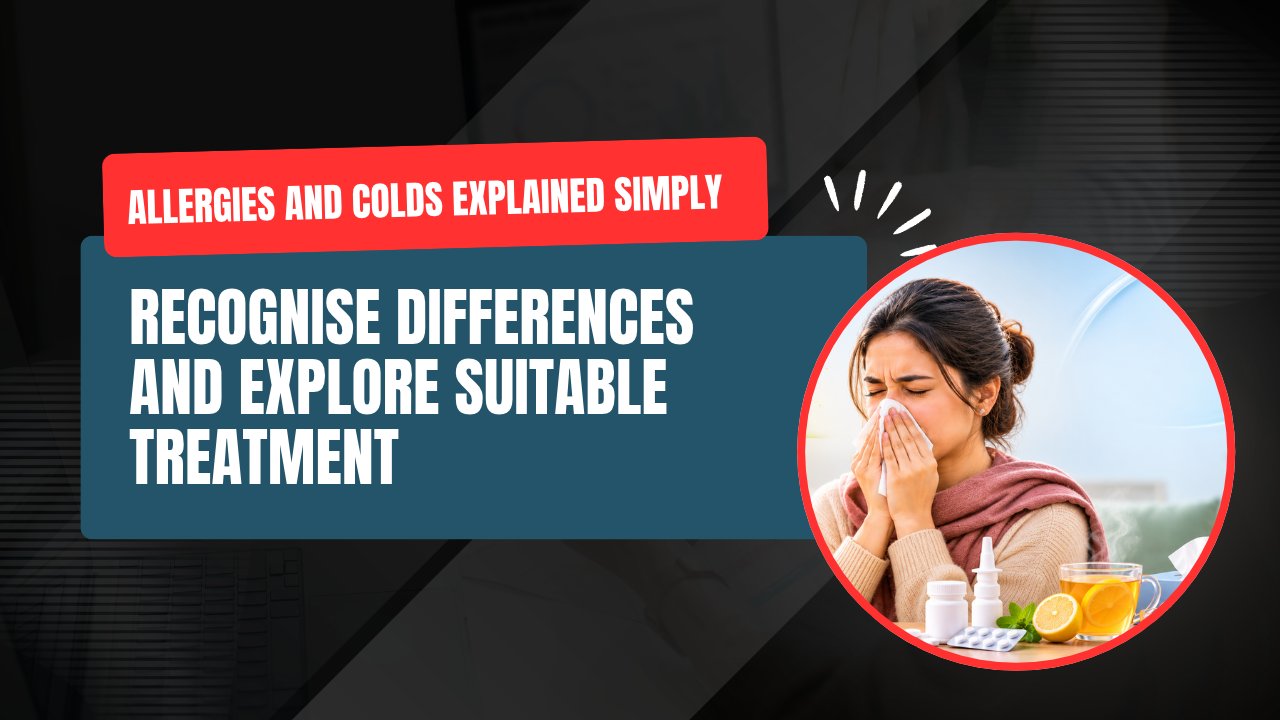
You wake up with a runny nose, start sneezing and feel slightly congested. Is it another winter cold, or could it be an allergy?
Both conditions can cause similar symptoms, making it difficult to distinguish between them. You may experience sneezing, a blocked nose, watery nasal discharge or mild throat irritation with either condition.
However, winter allergies and the common cold have different causes, symptom patterns and treatment approaches.
Knowing these differences can help you manage symptoms appropriately and recognise when medical advice is needed.
What Is the Difference Between Winter Allergies and a Common Cold?
The main difference is that winter allergies result from an immune reaction to allergens, while the common cold is caused by a viral infection.
Allergies often cause repeated sneezing, an itchy nose and watery eyes without fever. A common cold is more likely to develop with a sore throat, cough, tiredness and sometimes fever.
Allergy symptoms may continue as long as exposure to the trigger persists. Most uncomplicated colds improve within one to two weeks.
However, symptoms can overlap, so these differences cannot confirm a diagnosis on their own.
Winter Allergies vs Common Cold: Symptoms Comparison
The following table highlights the typical differences.
| Symptoms | Winter Allergies | Common Cold |
| Cause | Reaction to allergens | Viral infection |
| Sneezing | Often frequent or repeated | Common |
| Runny nose | Usually clear and watery | Can be watery or thicker |
| Blocked nose | Common | Common |
| Itchy nose | Common | Uncommon |
| Itchy or watery eyes | Common | Less common |
| Sore throat | Possible from irritation or postnasal drip | Common |
| Fever | Not typical | Sometimes |
| Body aches | Not typical | May occur |
| Cough | Possible, especially with postnasal drip | Common |
| Symptom duration | May persist for weeks with exposure | Usually improves within 1–2 weeks |
| Contagious | No | Yes |
These are general patterns, not diagnostic rules. In particular, the colour of nasal mucus alone cannot reliably distinguish an allergy from a viral infection.
What Causes Winter Allergies?
Winter allergies commonly involve indoor allergens rather than cold temperatures themselves.
During colder months, people may spend more time indoors, where they can encounter allergens and irritants.
1. Dust Mites in Bedding
Dust mites are microscopic organisms commonly found in mattresses, pillows, blankets and upholstered furniture.
People with dust mite allergy may experience repeated sneezing, nasal blockage or itching after spending several hours in bed.
2. Indoor Dust and Stored Blankets
Blankets, quilts, curtains and other fabrics may collect dust while stored.
Handling or using dusty bedding can release particles into the air and trigger symptoms in susceptible individuals.
3. Mould Exposure
Mould may grow in damp rooms, near water leaks or in poorly maintained indoor environments.
Exposure to mould can trigger allergic symptoms in some people.
4. Pet Dander
Proteins from animal skin flakes, saliva and other secretions can trigger nasal allergies.
Symptoms may become more noticeable when people spend extended periods indoors with pets.
5. Cold Air and Environmental Irritants
Cold air, smoke, strong fragrances and temperature changes can also trigger sneezing or nasal congestion.
However, these triggers often cause non-allergic rhinitis, rather than a true allergy.
For people living in urban areas such as Navi Mumbai, dust and air pollution may further irritate sensitive nasal passages.
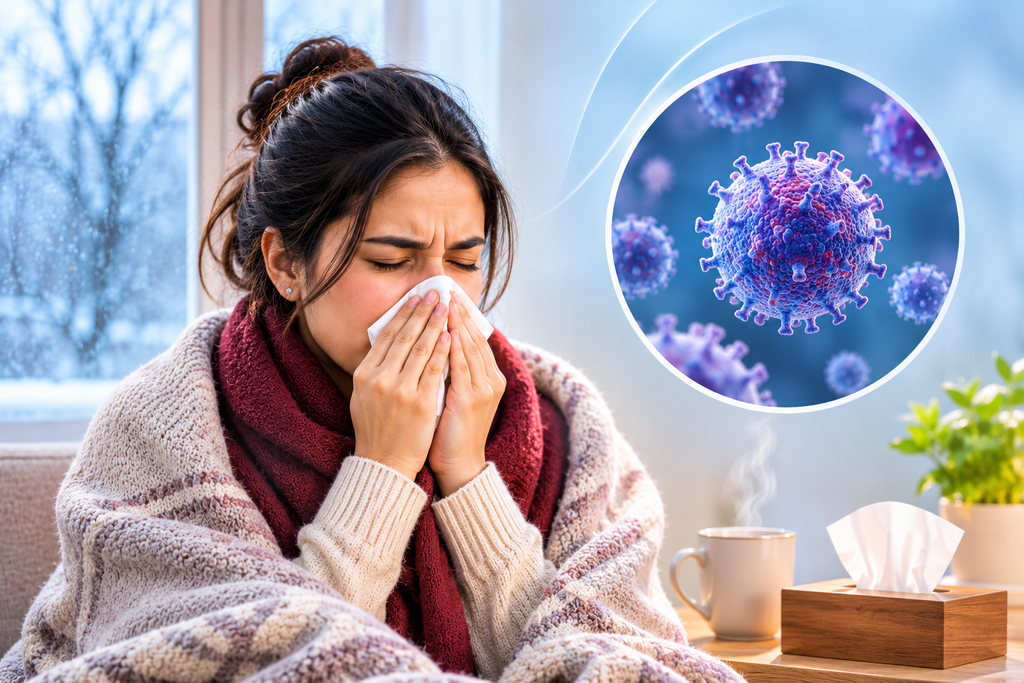
What Causes the Common Cold During Winter?
The common cold is caused by respiratory viruses, including rhinoviruses.
These viruses spread through respiratory particles and through contact with contaminated hands or surfaces followed by touching the nose, mouth or eyes.
Cold weather itself does not directly cause a viral infection.
However, spending more time in enclosed spaces and close contact with infected individuals may contribute to the spread of respiratory viruses.
Common Cold Symptoms
A common cold may begin with:
- A scratchy or sore throat.
- Sneezing.
- A runny or blocked nose.
- Mild cough.
- Tiredness or general discomfort.
- Occasionally, a low-grade fever.
Symptoms usually develop gradually, often reaching their highest intensity during the first few days.
Most people recover without complications, although nasal symptoms and cough can sometimes last longer.
5 Signs Your Symptoms May Be Due to Winter Allergies
Certain symptom patterns may suggest allergic rhinitis rather than a common cold.
1. You Sneeze Repeatedly Every Morning
Frequent sneezing after waking up, especially when accompanied by nasal itching, may suggest an allergic trigger in the bedroom.
2. Your Nose or Eyes Feel Itchy
Itching is an important clue.
An itchy nose, watery eyes or itching around the palate is more commonly associated with allergies than a typical viral cold.
3. Symptoms Return in the Same Environment
If your symptoms repeatedly appear while cleaning, changing bedsheets or spending time in a particular room, an environmental trigger may be involved.
4. You Have No Fever or Significant Body Aches
Allergic rhinitis does not typically cause fever.
However, the absence of fever does not rule out a common cold.
5. Symptoms Continue for Several Weeks
A cold generally improves within one to two weeks.
If sneezing and nasal irritation persist for several weeks, particularly with identifiable triggers, allergies or other causes of rhinitis should be considered.
5 Signs You May Have a Common Cold Instead of an Allergy
1. Your Symptoms Started with a Sore Throat
Many viral colds begin with throat irritation, followed by nasal congestion and a runny nose.
2. You Develop Cough and General Tiredness
A cough with fatigue or mild body discomfort may suggest a respiratory infection.
Allergies can also cause coughing, so the overall symptom pattern matters.
3. Someone Around You Has Similar Symptoms
Recent exposure to a person with a respiratory infection may increase the likelihood of a viral illness.
4. Your Symptoms Change Over Several Days
A cold often follows a progression, with symptoms developing, peaking and gradually improving.
Allergic symptoms may instead fluctuate with exposure to specific triggers.
5. Symptoms Improve Within One to Two Weeks
An uncomplicated cold usually begins to improve within this period.
Persistent symptoms, worsening illness or new concerning symptoms may require medical assessment.
Can You Have Winter Allergies and a Common Cold at the Same Time?
Yes. It is possible to have allergic rhinitis and a viral respiratory infection simultaneously.
For example, someone with dust mite allergy may already experience morning sneezing and nasal congestion. If they develop a cold, they may also experience a sore throat, cough or additional nasal symptoms.
The overlapping symptoms can make it harder to recognise the cause.
A healthcare professional may assess the duration of symptoms, exposure history and other clinical findings to guide management.
How to Treat Winter Allergies vs a Common Cold
Because these conditions have different causes, treatment approaches also differ.
Treatment for Winter Allergies
The management of allergic rhinitis may include:
Avoiding identified allergens
Reduce exposure to dust mites, mould, animal dander or other confirmed triggers where practical.
Saline nasal sprays or rinses
Saline products may help clear mucus and allergens from the nasal passages. For nasal irrigation, use distilled, sterile, or previously boiled and cooled water.
Antihistamines
A clinician or pharmacist may recommend an appropriate antihistamine to help relieve sneezing, itching and watery nasal discharge.
Corticosteroid nasal sprays
These may help control nasal inflammation and congestion in people with allergic rhinitis when used appropriately.
Treatment depends on symptom severity, age, medical history and the suspected or confirmed cause.
Treatment for a Common Cold
Most uncomplicated common colds resolve without specific antiviral treatment.
Supportive measures may include:
Adequate rest
Allowing time for recovery may help while the immune system responds to the infection.
Fluids
Maintaining adequate hydration can help with general comfort.
Saline nasal products
These may provide temporary relief from nasal congestion.
Symptom-relief medicines
Some medicines may help manage discomfort or fever when appropriate for the individual.
Antibiotics are not routinely needed for the common cold, because antibiotics do not treat the viruses responsible.
Avoid using antibiotics without medical advice.
Not every respiratory illness that resembles a cold is necessarily a common cold. Influenza, COVID-19 and other infections can produce overlapping symptoms, and testing or further assessment may sometimes be appropriate.
Can You Prevent Winter Allergies and Common Colds?
Although neither condition can always be prevented, practical measures may reduce exposure to allergens and respiratory viruses.
To Reduce Winter Allergy Triggers
- Wash bedsheets and pillowcases regularly.
- Reduce dust accumulation around sleeping areas.
- Address dampness and mould problems at home.
- Avoid smoke, strong perfumes and other known irritants.
- Consider allergen-resistant bedding covers if dust mite allergy is confirmed.
- Maintain comfortable indoor humidity without allowing excessive dampness.
To Reduce the Risk of Common Colds
- Wash hands regularly with soap and water.
- Avoid touching your face with unwashed hands.
- Improve ventilation in shared indoor spaces.
- Avoid close contact with people who are unwell where possible.
- Cover your mouth and nose when coughing or sneezing.
- Stay home when unwell to reduce spreading respiratory infections.
Good hygiene and an appropriately maintained indoor environment can support respiratory health throughout the year.
When Should You See an ENT Specialist for Repeated Cold or Allergy Symptoms?
Occasional sneezing or a mild cold may not require specialist evaluation.
However, consider medical assessment if:
- Nasal congestion or sneezing persists for more than two weeks without improvement.
- Similar symptoms repeatedly occur over several weeks.
- Nasal blockage interferes with sleep or daily activities.
- You experience persistent facial pressure or reduced sense of smell.
- Symptoms continue despite appropriate self-care.
- You develop recurrent ear discomfort or sinus-related symptoms.
- You are uncertain whether your symptoms are caused by allergies, infection or another condition.
Seek prompt medical attention if you experience worsening symptoms after initial improvement, persistent high fever, significant facial swelling or severe pain.
Severe breathing difficulty, chest pain, confusion or other signs of serious illness require emergency medical care.
How Does an ENT Specialist Diagnose Allergies and Recurrent Cold-Like Symptoms?
An ENT specialist may begin by reviewing:
- How long symptoms have been present.
- Whether symptoms are seasonal or occur throughout the year.
- Exposure to dust, pets, pollen or environmental irritants.
- The presence of nasal itching, sneezing, fever or sore throat.
- Previous respiratory infections and current medications.
A nasal examination may help identify inflammation or other conditions contributing to nasal symptoms.
Allergy testing may be considered when the history suggests allergic rhinitis and results would influence management.
Nasal endoscopy or imaging is not routinely necessary for every patient. Additional investigations depend on clinical findings.
ENT Evaluation for Persistent Nasal Symptoms in Kharghar, Navi Mumbai
Repeated sneezing, ongoing nasal congestion and cold-like symptoms can have different underlying causes.
Dr. Sujata A. Gawai, MBBS, DNB (Otorhinolaryngology), Fellowship in Endoscopic Sinus & Skull Base Surgeries, is an ENT surgeon at Auricle ENT Hospital, Kharghar, Navi Mumbai.
An ENT evaluation may help distinguish allergic rhinitis from other causes of nasal symptoms and identify whether further investigation or treatment is appropriate.
For information about ENT services and consultations, visit Auricle ENT Hospital.
Frequently Asked Questions
1. How can I tell if I have a winter allergy or a common cold?
Winter allergies often cause repeated sneezing, an itchy nose and watery eyes without fever. A common cold may cause a sore throat, cough, tiredness and sometimes fever. Allergies may persist with exposure, while most colds improve within one to two weeks. Symptoms alone cannot always confirm the cause.
2. Can winter allergies cause a sore throat?
Yes. Nasal allergies may cause throat irritation due to postnasal drip or mouth breathing. However, a sore throat accompanied by cough, fever or general illness may suggest a respiratory infection or another condition.
3. Why do I keep getting cold-like symptoms every winter?
Repeated cold-like symptoms may result from separate viral infections, allergic rhinitis, non-allergic rhinitis or ongoing exposure to environmental irritants. A consistent pattern of morning sneezing and nasal itching may suggest an allergy, but persistent symptoms should be evaluated.
4. Do winter allergies cause fever?
Allergic rhinitis does not typically cause fever. If you experience fever with nasal symptoms, a viral infection or another illness may be responsible. Medical advice may be necessary depending on the severity and duration.
5. When should I consult an ENT doctor for winter allergies or repeated colds?
Consider an ENT consultation when sneezing, nasal blockage or other symptoms persist for several weeks, frequently return, affect sleep or fail to improve with appropriate measures. The need for specialist evaluation depends on the symptoms and clinical findings.
Conclusion
Winter allergies and the common cold can look similar, but they are not the same condition.
Allergies are associated with reactions to allergens and often cause repeated sneezing, itching and watery eyes. A common cold is a viral infection that may cause sore throat, cough, congestion and fatigue.
Recognising the differences can help you choose appropriate self-care and avoid unnecessary medication.
If symptoms persist or repeatedly return, medical evaluation may help identify the cause and guide suitable treatment.
Medical disclaimer: This article provides general health information and should not be used as a substitute for individual medical advice, diagnosis or treatment.